More than many cities, Lisbon is one that deserves a special guided tour to fully appreciate its complexity, both historical and cultural.
For that reason, I selected Boost Portugal, a leading tour group, to help me understand not only Portugal’s capital city better but also historic towns outside the city, such as Cascais and Sintra.

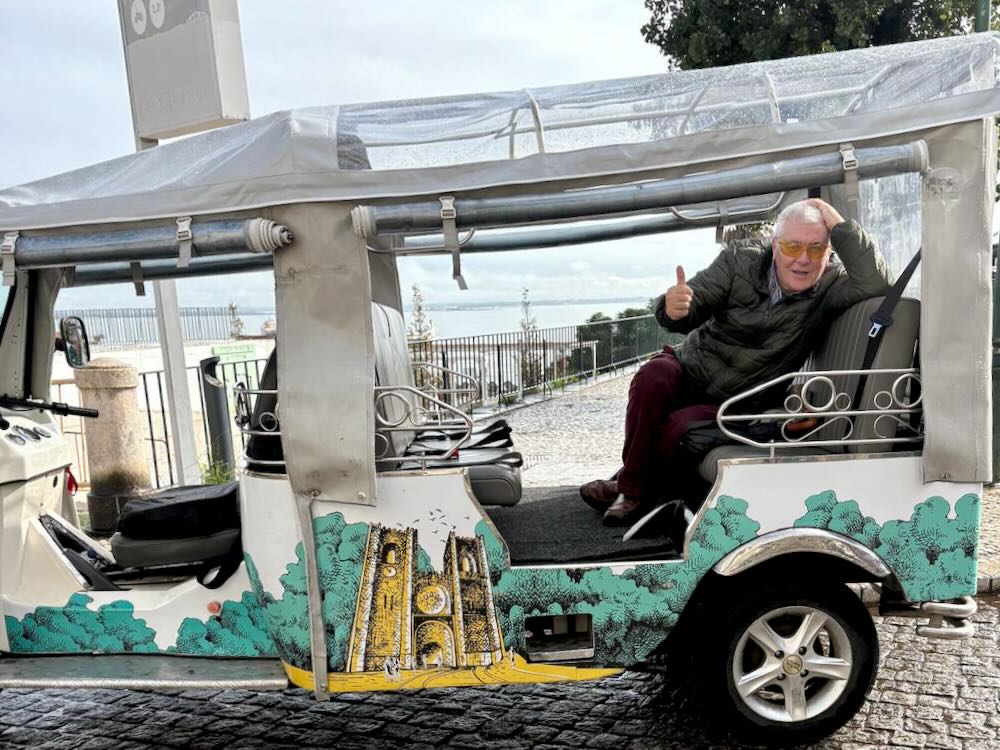
For the city tour, I’d advise the company’s four-hour guided drive-around in an open tuk-tuk. My driver was very knowledgeable about Lisbon, showing me places I probably would never have found on my own, including sites linked to the mysterious medieval Knights Templar, a military group I’ve had a long fascination with and which played a key role in the formation of Portugal.
Riding in a tuk-tuk, weather permitting, is also a lot of fun. Rather than being enclosed and insulated inside a car, you are closer to the street action and get the chance to enjoy the rhythms of everyday Lisbon life. My guide was also very flexible when it came to stops and their duration, asking me before we even set out together if there were special sights I wanted to see, or particular interests I had.
There were many highlights, including famous monuments like the Belém Tower and the Carmo Convent ruins, street art such as an intriguing blue-colored wall mural depicting the conquest of Lisbon by the Portuguese over the Moors and the heroic story linked to it, as well as a panoramic view over the city.
There is also the chance to see Time Out, an enclosed market in the historic 19th century Mercado da Ribeira building in Cais do Sobre, a lively neighbourhood on the city’s riverfront, with bars, music venues and cafes, popular with locals and tourists. You’ll also get the chance to explore other neighborhoods in the eastern, hiller side of the city such as Alfama, a maze of cobblestones and tiled houses, Mouraria, and Graça.
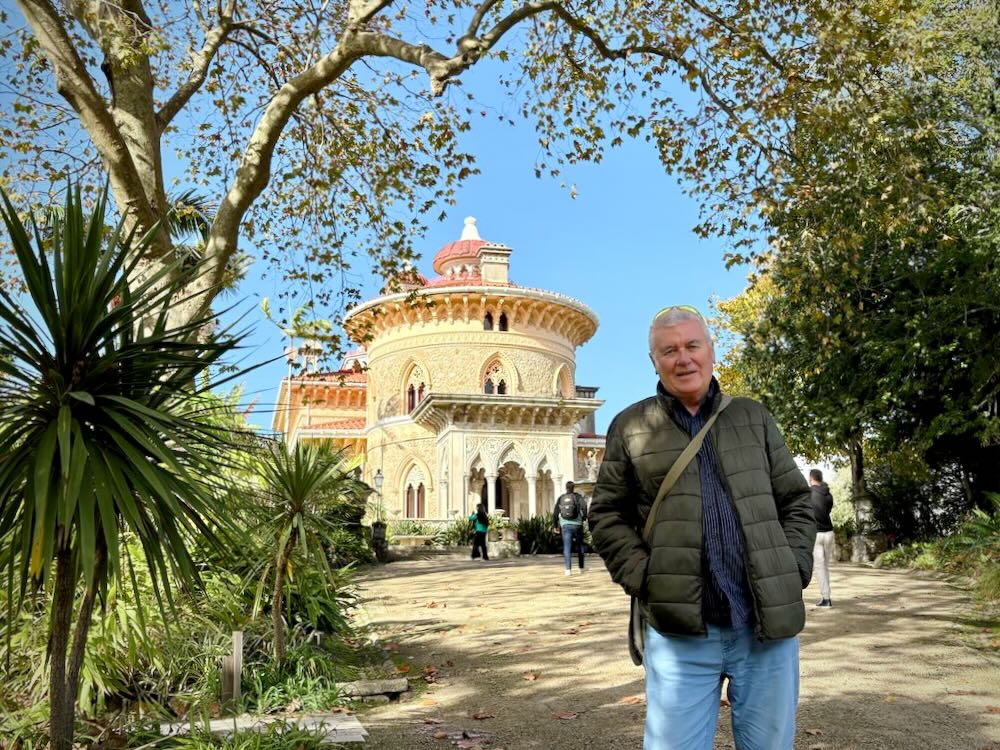
I also enjoyed a full-day van tour of the mountain town of Sintra and the coastal town of Cascais, a former fishing village turned elegant seaside destination, as well as the Lisbon coastline, with personal pick-up from my accommodation.
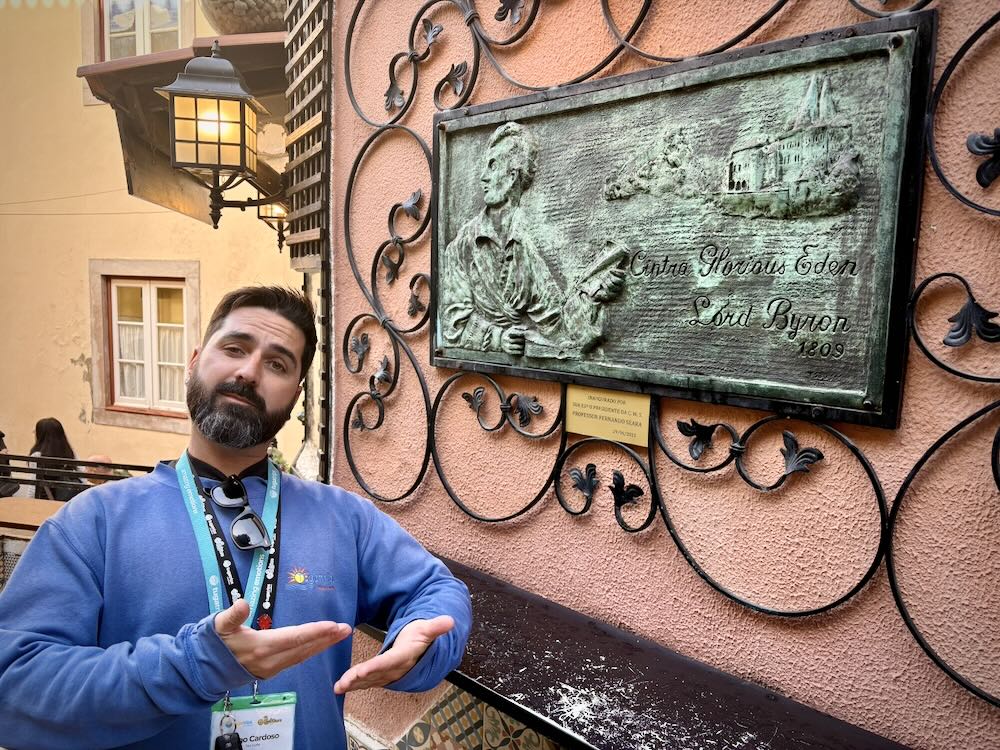
The carefully-planned itinerary combined iconic palaces, historic villages and views over the Atlantic including Pena Palace, one of Portugal’s most emblematic landmarks and part of the UNESCO World Heritage Site of Sintra reflects Egyptian, Moorish, Gothic and Renaissance architectural elements. Located on a hilltop, this colorful Romantic palace offers unique architecture and sweeping views over the surrounding landscape.
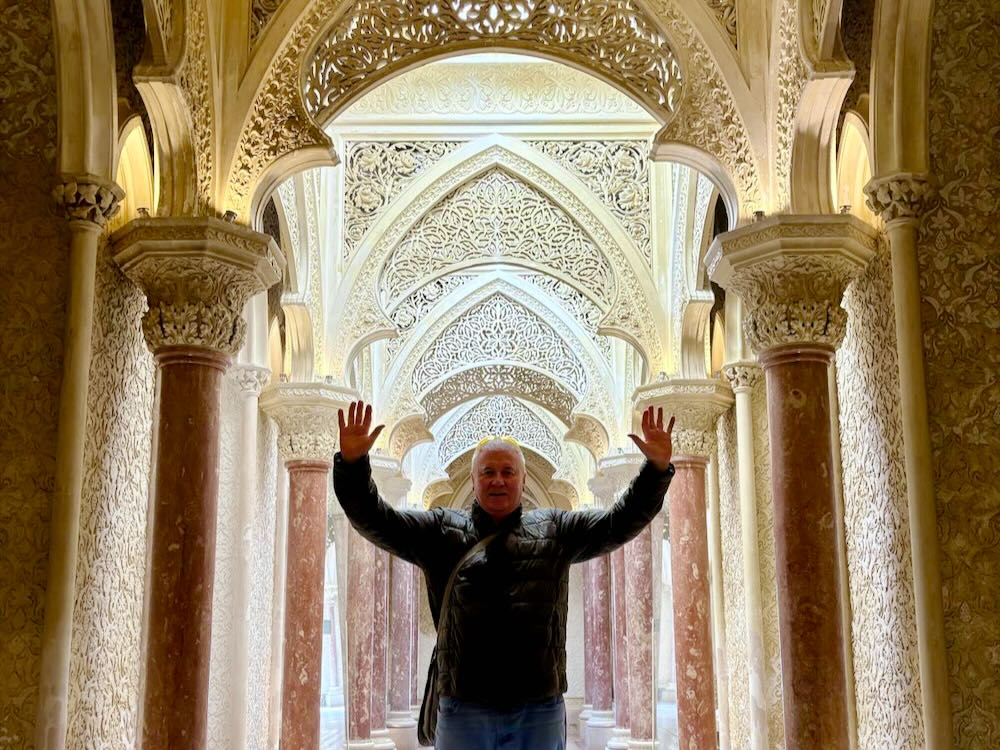
Quinta da Regaleira is an intriguing estate known for its symbolism and mysterious design. The palace and gardens, including underground tunnels, hidden pathways and the famous Initiation Well is well worth at least an hour of exploration.
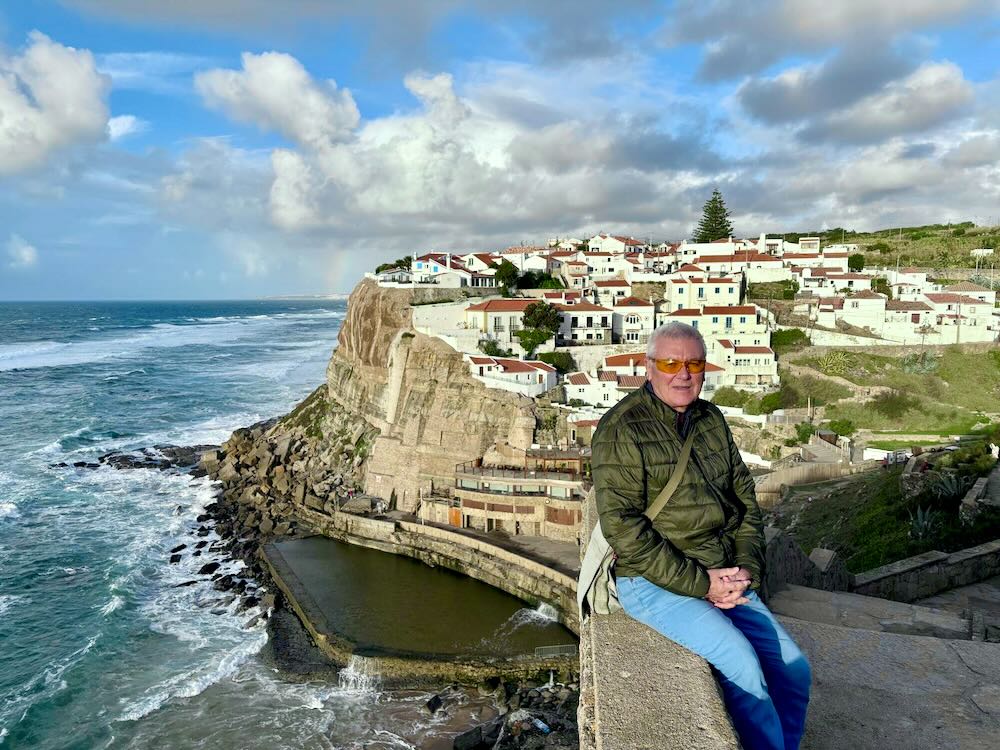
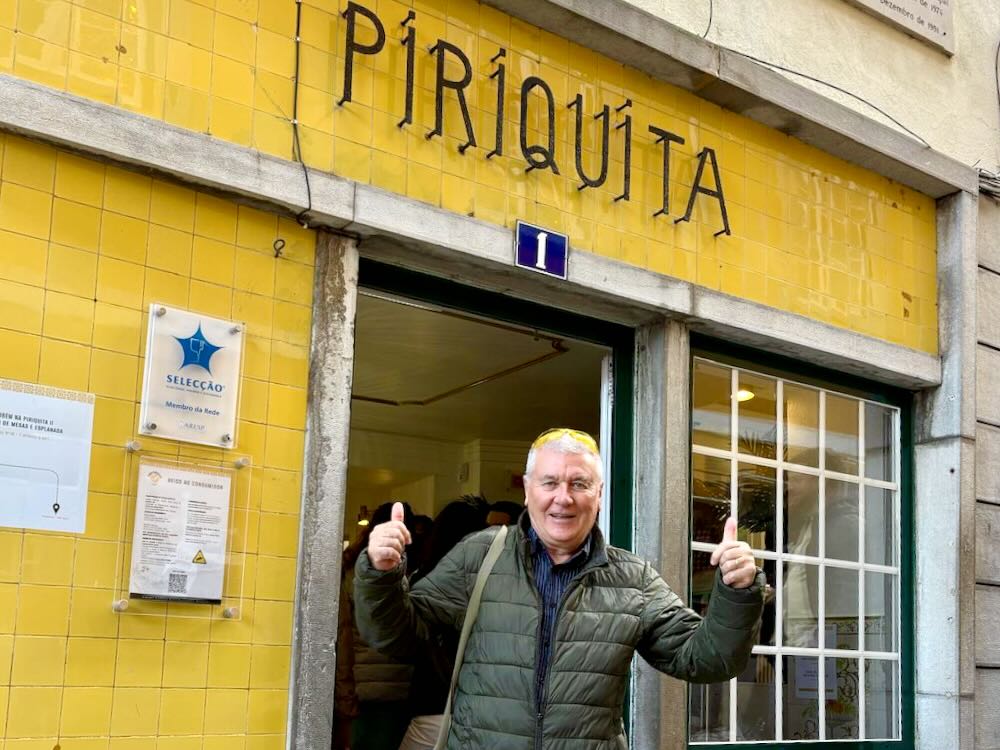
My driver and I also enjoyed lunch together with my first taste of peixinhos da horta, battered and fried green beans, and Travesseiros da Casa Piriquita, a sweet iconic dessert of Sintra comprising a puff pastry shell (travesseiros means ‘pillow’) with a filling of egg cream and almond dusted with cinnamon.
Later, I also had time to take a leisurely walk along the scenic coastline to Cabo da Roca, the westernmost point of mainland Europe, with its towering cliffs and imposing lighthouse dating from 1772, finished in white tiles with a red walkway.

