Gin was once simply juniper berries in alcohol but over the years its signature flavor has been enhanced with a wide range of added elements, including seaweed, kumquat, lemongrass, coriander and even shrub.
As a result, with World Gin Day being celebrated this weekend, a host of new varieties have been added to the mix.
I’ve made a selection of innovative gins from Ireland, Spain, Denmark, England and Australia that are well worth tasting.
Sliabh Liag Distillers
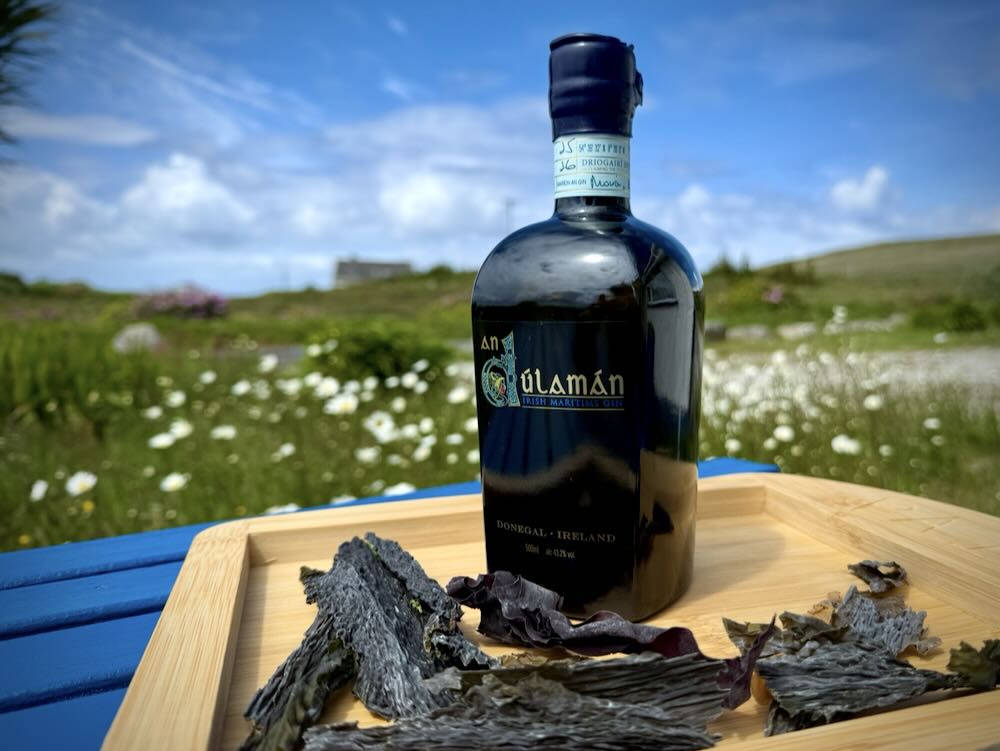
Located in the historic northwestern Irish town of Ardara near the Atlantic Ocean is Sliabh Liag Distillers founded by managing director, James Doherty, who has held multiple managing director positions at William Grant & Sons Distillers Ltd, Foster’s and SABMiller, and his wife, Moira.
Moira is the inspiration behind An Dúlamán Gin, which is described as her ‘love-letter to the Donegal coast.’ A native of Bulawayo, Zimbabwe, she was shortlisted for Master Distiller of The Year and Innovator of The Year at the Icons of Gin awards.
Using five locally harvested varieties of seaweed, as well as six other botanicals, Moira created the first maritime gin in Donegal, made with Méabh (meaning ‘she who intoxicates’), a 500 litre copper pot still. It is then bottled at 57% and barrel-aged in Rioja casks.
This creation is described as having a ‘rose gold hue’ with the Spanish wood adding ‘floral spice and an orange-madeira sweetness, complementing savory brine notes, sweet blackberry, liquorice and candied peel.’ Moira and James say foraged seaweeds from Donegal’s Atlantic coast help capture ‘draiocht na farraige’ the magic of the sea, including Pepper Dulse (osmundea pinnatifida) a ‘shy seaweed, which only reveals itself at the lowest of tides.
Speight’s Gin
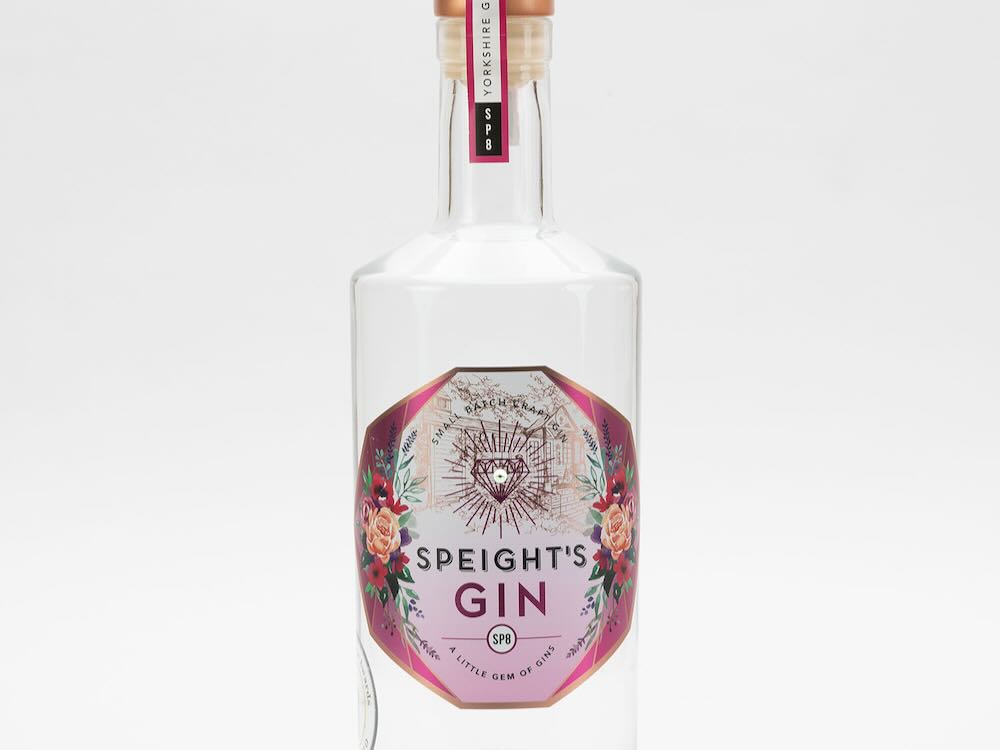
A charming Yorkshire rural garden next to the rolling hills of the Shibden Valley with horse-chestnut tree and a cornucopia of wild flowers is the rustic setting out of which the Spreight family-produce their gins.
Led by Peter Speight, his entire extended family is now involved in the operation, including his wife, Angela; daughter, Victoria; son, Simon; son-in-law Daniel; and Sophie, who’s in charge of social media.
After experimenting for eighteen months with many botanical combinations – Speight’s Signature Gin was born at their home in Northowram, near Halifax.
An aromatic gin full of floral notes across the palette, with a little hint of spice and a sweet lingering taste to finish it is based on twelve botanicals including juniper, coriander seeds, angelica root, orris root, rose hips, rose petals, lavender, lemon peel, elderberries, hibiscus, rosemary. It is described poetically as ‘a summer’s day in a bottle.’
Since then, due to popular demand, their range has grown impressively to include bilberry, huckleberry, a wild North-American blueberry, rhubarb and pear varieties.
Mallorca Distillery
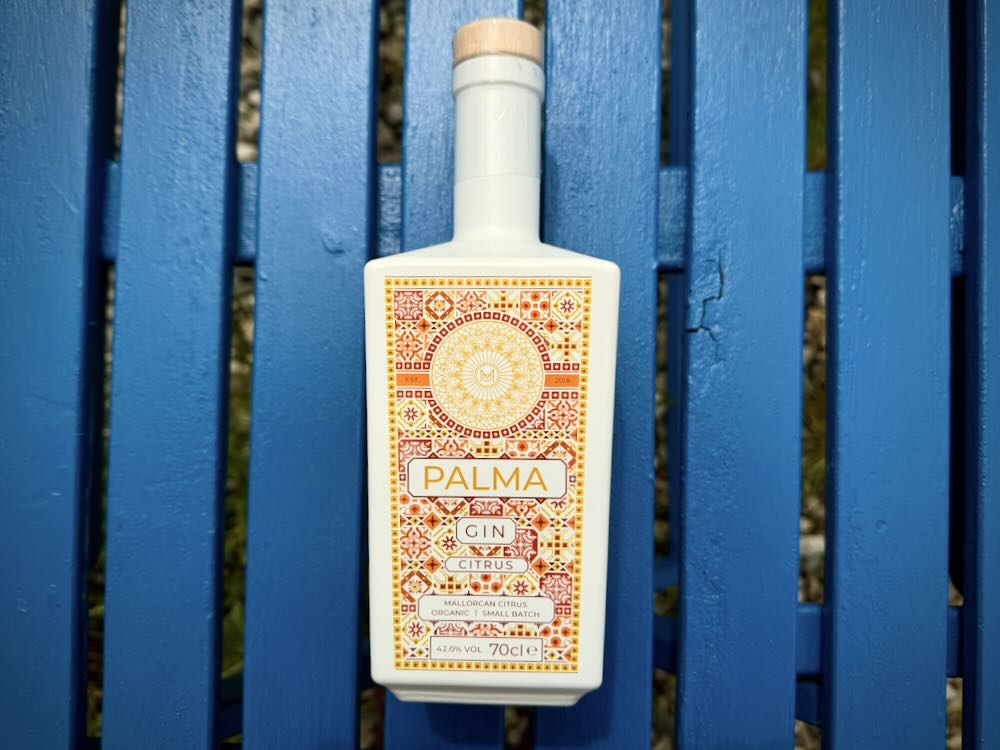
Capturing essential Mediterranean aromas, this island gin was created by founders Byron and Amber Holland at Mallorca Distillery, opened in 2018, the island’s first organic, craft distillery in the heart of Palma de Mallorca. Its gins include spiced, rose and citrus.
At the heart of our distillery lies a bespoke Spanish 500 litre copper pot still and the citrus gin combines juniper with wild flowers and fruit from rural orchards to create a fresh, dry, citrus taste. A complementary floral scent is enhanced by fresh lemon and orange peel, almond flowers, tomato branches and lavender, while other ingredients include coriander, cassia bark, cardamom pods and liquorice root.
All bottle designs are colorfully eye-catching, inspired by traditional Mallorcan tiles known as ‘suelo hidraulico.’ Handcrafted by a local family business operating in Mallorca for over 80 years, it took over 10 months to complete the label design. Only organic inks are used to print on the bottles resulting in an environmentally friendly, recyclable product.
Copenhagen Distillery
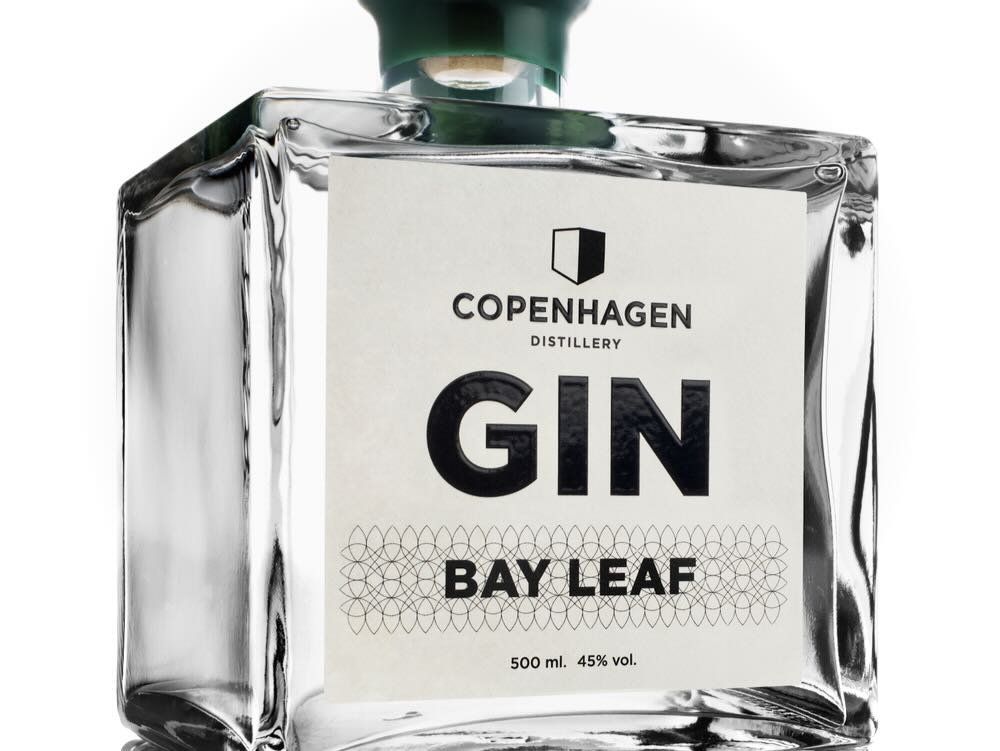
Copenhagen Distillery has grown into one of the largest and most successful craft distilleries in Denmark, with an award-winning product range spanning gin, aquavit, and single malt whisky.
Their 500-square-metre event location — with a view of the pot still — hosts tours, tastings, concerts, seminars, and dance shows. It is now described as the only working distillery in the heart of Copenhagen. Since 2019, their full range of products became 100% organic. Environmentally friendly, its 1,000-litre Müller Aromat still is electrically heated, with that electricity generated by wind turbines.
The distillery produces many gins, including angelica and orange, but of particular interest to me was its organic Bay Leaf Gin variety, a small-batch, 8-botanical gin with herbal, bay-leaf notes woven into its core juniper character. The vibe is herbaceous, aromatic, and modern and the tasting notes as herb-forward with bay leaf and lemon zest, a tart hint of cranberry and gentle spice depth.
Broken Hill Distillery
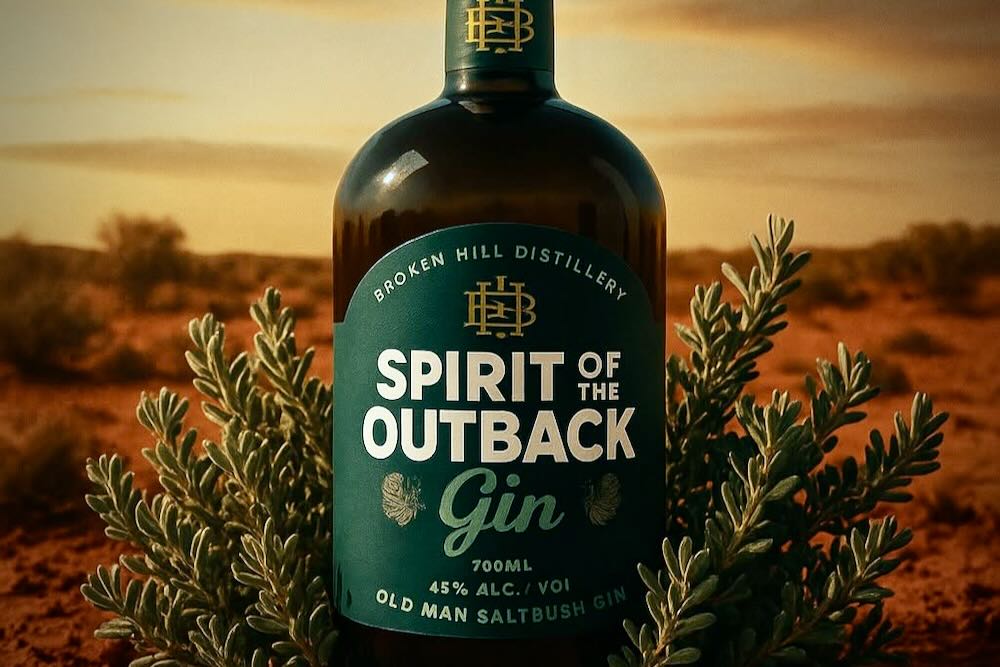
Located in the Australian outback mining town of Broken Hill in far west New South Wales, around 14 hours drive from Sydney, Broken Hill Distillery was founded by brothers Paul and Eric Hanna before growing into a family affair.
Paul described the operation with characteristic understatement as “a couple of old boys sitting on the corner trying their best.”
From the start, the founders created gins that reflect the unique taste of the outback, sourcing their botanicals locally — red gum honey from Pooncarie, quandongs (which only grow in arid country), and lemongrass from Broken Hill itself. As Paul Hanna described it: “We have some great botanicals in Australia right now — wattle seed, river mint, Davidson plums, rosemary and so many more.”
One special gin is the distillery’s Old Man Saltbush Gin, named after a native shrub, which won gold at the World Gin Awards last year, described as having “an intense nose of complex lemon-lime and kiwi with a vegetal aspect. The middle palate is oily with pithy citron and the finish is long, featuring grapefruit and herbal bitterness.”

