World Cup soccer frenzy is beginning to build with the tournament set to launch next week.
And with a Category 3 ticket for the final being held in the US costing over 4,000 dollars, 10 times more than it did for the last World Cup held in the US, the tournament has clearly moved into the category of luxury entertainment.
Category 1 tickets for July’s final in New Jersey cost around 9,000 dollars and regular ticket prices are around five times more expensive than for the last tournament in Quatar in 2022.
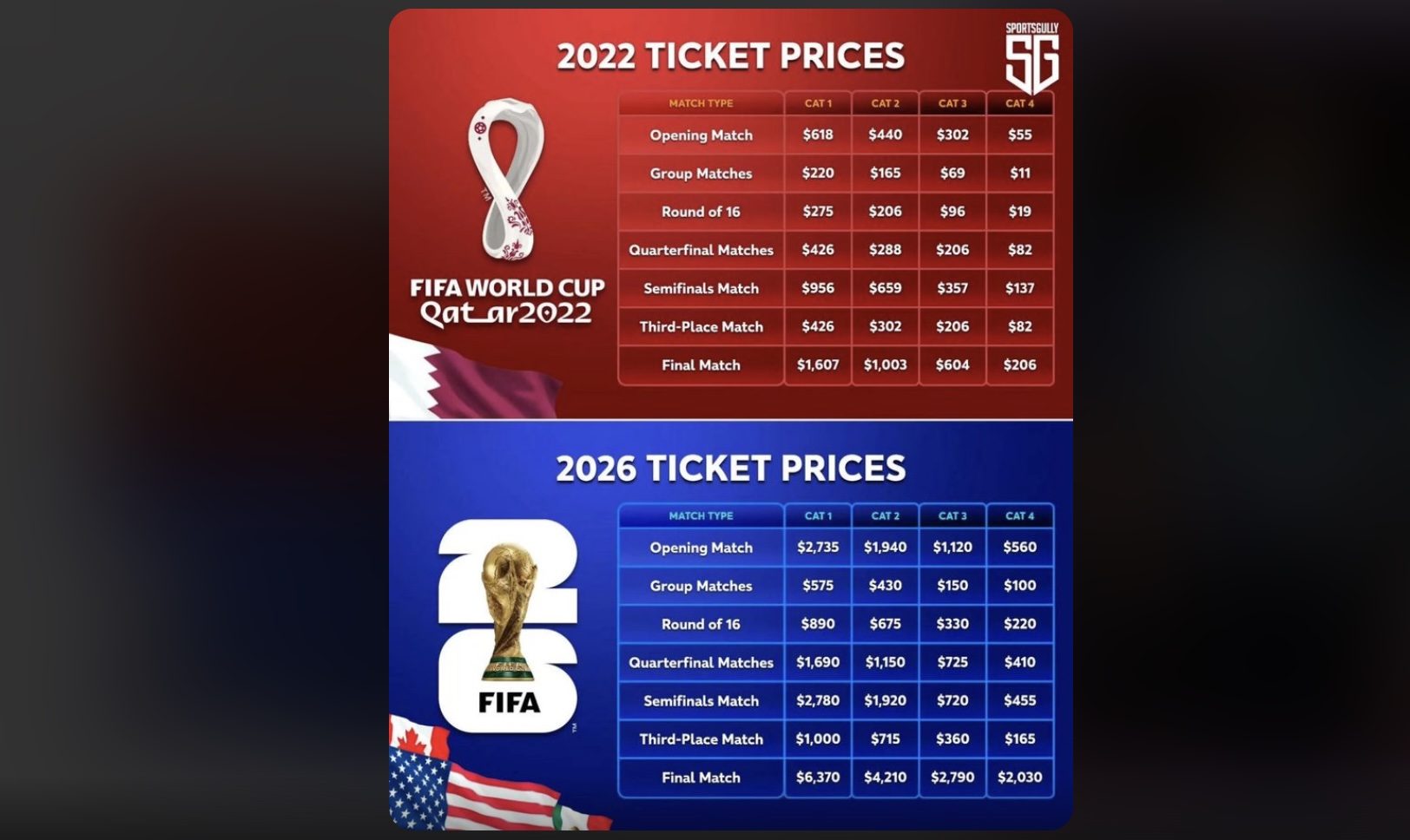
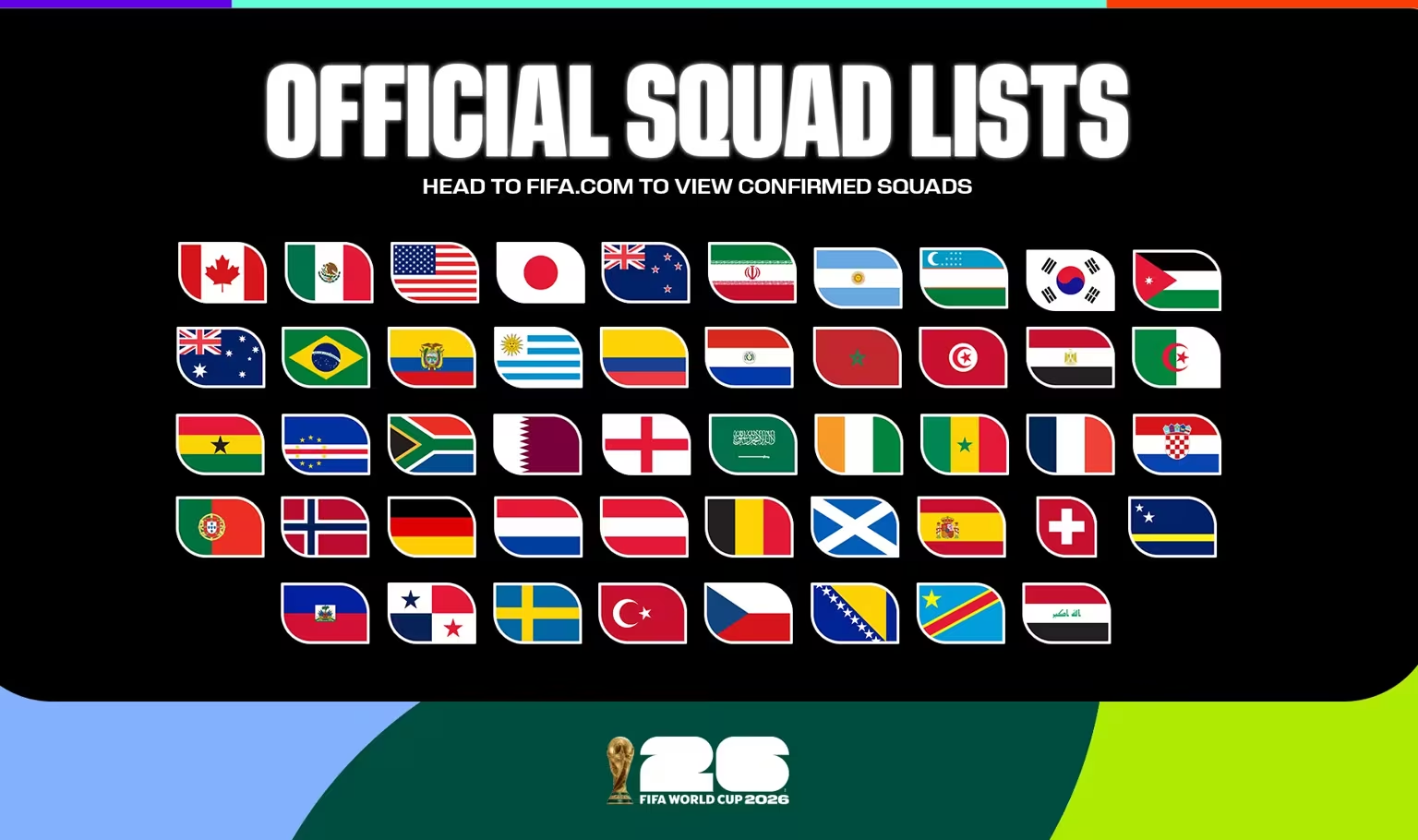
As ultra-rich superstars prepare to strut their stuff on football fields throughout Mexico, Canada and the US, the Fédération Internationale de Football Association (FIFA), is set to organise what could be the most successful tournament in decades, perhaps ever – financially and otherwise – especially as it will be the largest World Cup ever, featuring 48 teams for the first time.
The lucky cities selected as game hosts are Toronto and Vancouver in Canada, Mexico City, Guadalajara and Monterrey in Mexico, and Atlanta, Boston, Dallas, Houston, Kansas City, Los Angeles (Inglewood), Miami, New York / New Jersey (MetLife Stadium), Philadelphia, San Francisco Bay Area (Santa Clara), Seattle in the US.
FOOTBALL: MODEST BEGINNINGS TO ULTRA-RICH SPORT
While soccer has now grown financially beyond the wildest dreams of its original pioneers, it all began modestly, with many teams starting life as amateur clubs for ordinary workers.
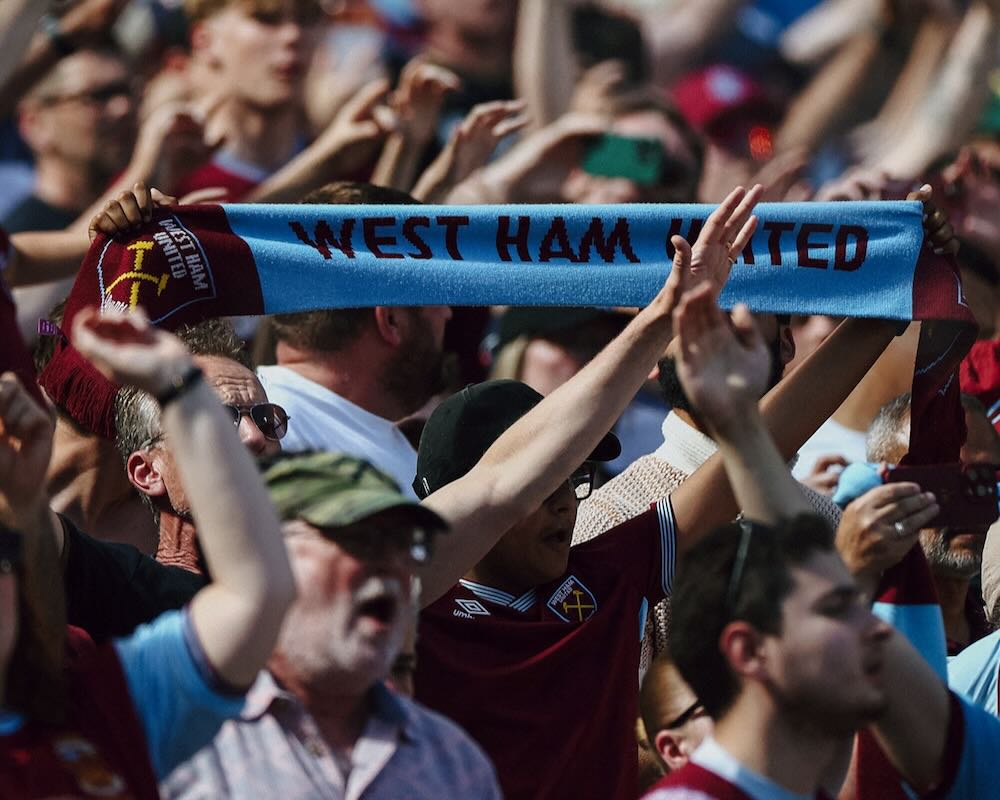
Top-tier English premiership team, West Ham United, a team I’ve supported since I was seven years old (now ten times that age and still supporting it), traces its roots back to 1895, when it was a works team for employees of the Thames Ironworks and Shipbuilding Company in East London. Manchester United, meanwhile, was formed by railway workers at the Lancashire and Yorkshire Railway depot in Newton Heath, Manchester.
Now the game has rocketed into the financial stratosphere. Even though recently relegated from the British Premiership league, West Ham United is still valued in the hundreds of millions of euro. Manchester United, who came third this year, is valued at over six billion euro.
As for soccer players themselves, they’re sold for incredible sums of money. Brazil-born Neymar da Silva Santos Jr. – known simply as Neymar – holds the record for payment – around 222 million euro, when he was signed from FC Barcelona to Paris Saint-Germain (PSG). Others include French player, Kylian Mbappé, – 180 million euro; Brazilian player, Philippe Coutinho – 145 million euro, from Liverpool to Barcelona; and Portuguese player João Félix – 126 million from Benfica to Atlético Madrid. Cristiana Ronaldo earns an estimated 200 million euro a year at Al-Nassr club in Saudi Arabia.
Some clubs can afford these huge fees. The entire European football market generated more than 38 billion euro in revenue this season — an 8 to 10 percent increase over the previous season. Revenues from the English Premier League alone is set to reach well over a record 6.3 billion euro— more than any other national league. Player transfer spending also remains extremely high: Premier League clubs spent a combined 2.36 billion euro in one summer window alone, with the average top-flight player in the Premier League earning over four million euro per year — far above salaries in many other sports leagues. West Ham’s captain, Jarod Bowen, earns over 100,000 dollars equivalent a week while Manchester City goalscorer, Erling Haaland, earns five times that.
In the 2024-25 season, the 20 highest-earning football clubs globally produced around 12.4 billion euro in revenue — a new record — growing about 11 percent year-on-year. Real Madrid became the first football club ever to record 1 billion euro+ in revenue, in the 2023-24 season, and then increased it further to around 1.16 billion euro the following season. Recent annual revenue figures show Manchester City at 715 million euro, Liverpool at 703 million, Arsenal at 616 million and Manchester United at around 580 million. The 20 British Premier league clubs earn 6.5 billion euro in annual revenue.
WORLD CUP FANS, RICH AND NOT-SO-RICH
With the World Cup kicking-off on 11 June and ending on 19 July, and tickets selling at top-dollar, there’ll be no shortage of mega-rich people at the international tournament.
At the same time, many people who’ll be at the tournament live in much more modest economic situations than the mega-rich, and some will borrow heavily to support their respective countries.
For for all its glitz and glamour and the billions of dollars/euro involved in the game, soccer is still rooted in local working-class communities worldwide. That’s its universal bedrock of support. And without it, the sport would linger in semi-paralysis.
Let’s have a look at some of the community-linked, grassroots local clubs that have helped make soccer such a global phenomenon, clubs where generations of families, from children not only to grandparents but to great great grandparents, have supported their team through thick and thin, through success and failure, through pouring rain, blustering wind, exhausting heat, even heavy snow at times.
CLIFTONVILLE, NORTHERN IRELAND
Proud of its heritage as the oldest football club in Ireland, Cliftonville FC was formed in 1879, its stadium located in north Belfast, a neighbourhood that suffered much violence during what was colloquially called ‘the Troubles’ in Northern Ireland.
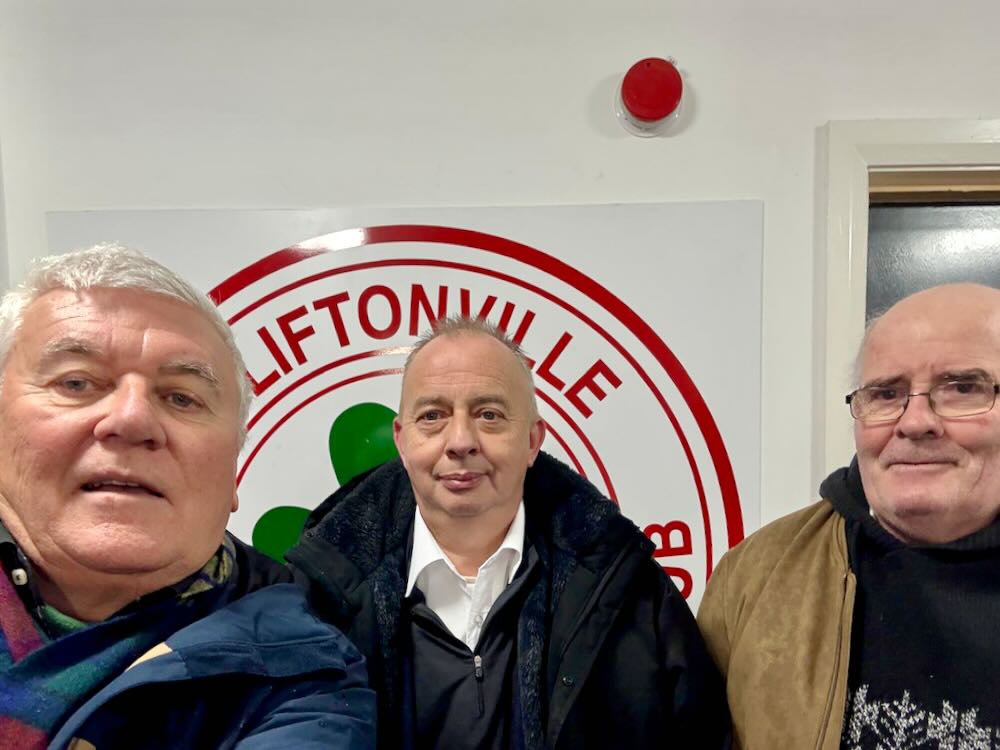
Since the Good Friday Peace Agreement was signed almost 30 years ago, and even for many years before that, successive club officials have valiantly created ‘peace bridges’ between local Catholic and Protestant communities.
The club’s stadium is called ‘Solitude’ because when Cliftonville FC acquired the site in 1890, this north Belfast neighbourhood was quiet, rural, and isolated, giving it a sense of seclusion—hence the name.
Chief Operating Officer, David Begley proudly informed me on a recent visit in the company of my friend from schooldays, Bruno McBride, that Cliftonville FC has enjoyed multiple successes on the field. It’s men’s team have won the Northern Ireland football league, the Irish Cup, Irish League Cup, as well as the County Antrim Shield numerous times. It has also taken part in various European tournaments.
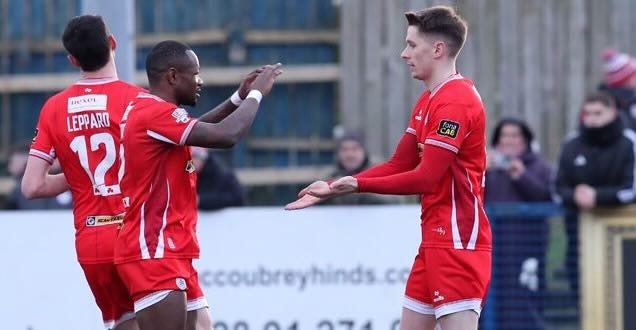
The women’s team is even more successful, being one of the most successful teams in Northern Ireland, having been league champions multiple times, the Women’s Irish Cup, the Women’s League Cup, even the All-Island Cup and competing in the UEFA Women’s Champions League. Both teams certainly help the club live up to its motto, ‘Vis Unita Fortior,’ meaning ‘Strength through nity.’
Off-the-field successes have also been plentiful for the club, nicknamed the Reds after the team’s colours, through a dynamic academy where young footballers from all nationalities and religious are trained under the watchful eyes of experienced coaches. School teams also use the facilities, which for the last few years have included a special 3G artificial, astroturf-style, pitch surface.
VITORIA SPORT CLUB, PORTUGAL
So closely is it linked to its fans Vitória Sport Clube (Vitória de Guimarães) in northern Portugal, many women and men celebrate their weddings at the stadium, some of them having first met at a game.
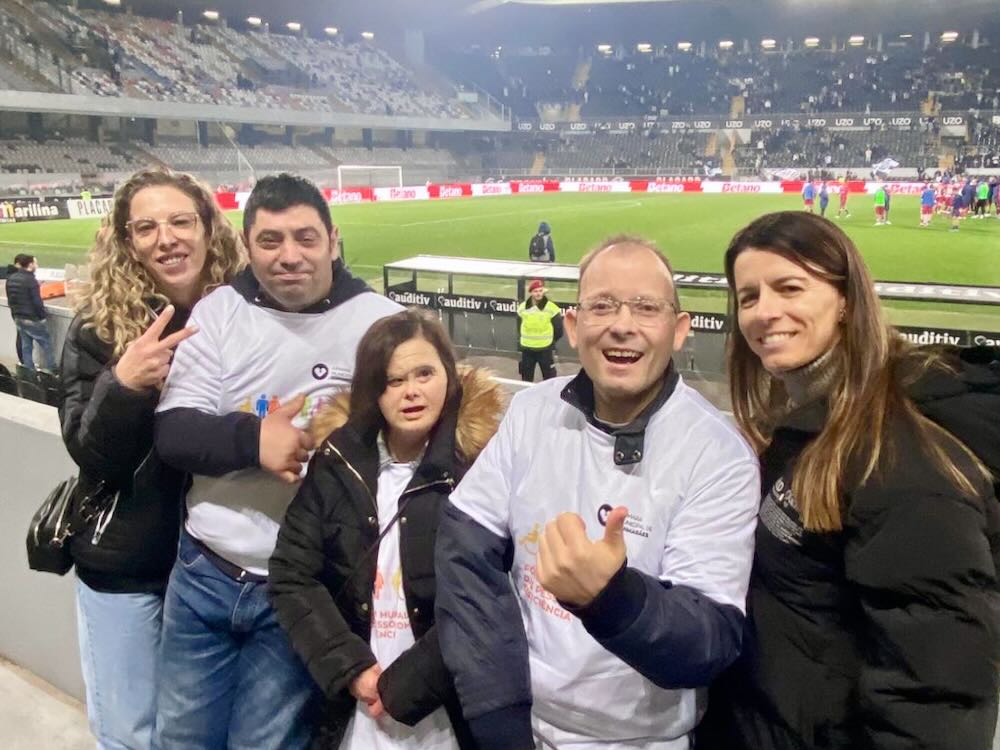
Nicknamed Os Conquistadores (The Conquerors) and Vitorianos and formed in 1922, the team plays in the Primeira Liga, Portugal’s top division, at Estádio D. Afonso Henriques, named after Afonso Henriques, the first King of Portugal, a stadium I was delighted to be invited to recently by Raquel Veiga, the club’s communication director.
After being invited to a game by the club, I was extremely impressed by its fans, including a group of people with disabilities I befriended, as they roared their team to victory in a European tournament game, repeating over and over their motto,’Por Ti, Guimarães’ meaning simply yet forcefully, ‘For You, Guimarães.’ The atmosphere was best described as without being theatrical, pride in their traditions shining through.
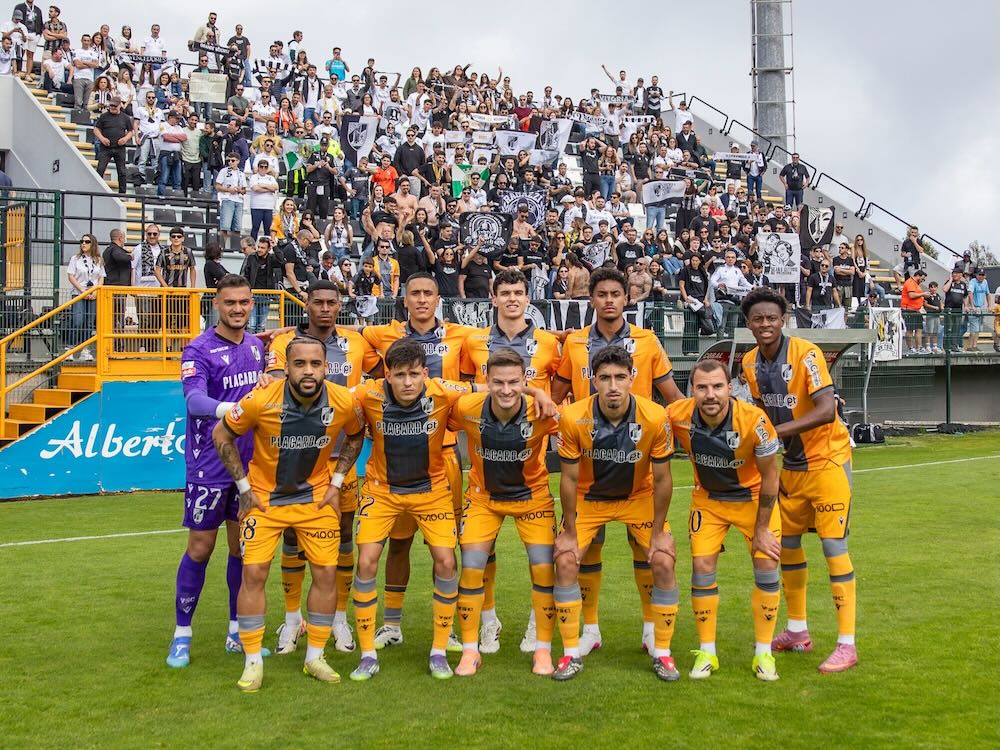
This club has earned a strong reputation for developing talent and playing intense, disciplined football and usually features strongly in the league, often challenging the ‘Big Three’ of Benfica, Porto and Sporting Lisbon. It has also participated in European competitions including the Europa League and the Europa Conference League.
Due to its role in the country’s foundation in the 12th century and being in the nation’s first capital city, Guimarães is a charming place with a strong medieval heritage, several hours away from Lisbon, where other more recognised football teams such as Benfica play. Once the European Capital of Culture, its historic centre now a UNESCO World Heritage Site, the city has a strong Celtic cultural identity and is often called ‘the cradle of Portugal,’ thus the famous local saying, ‘Aqui nasceu Portugal,’ meaning ‘Portugal was born here.’
WEST HAM UNITED, ENGLAND
I have supported this traditional east London team since childhood, its nickname being the ‘Irons’ or the ‘Hammers’ founded in 1895 as Thames Ironworks FC, representing the Thames Ironworks and Shipbuilding Company of East London.
The club, its motto being ‘Fortune’s Always Hiding,’ was renamed five years later as West Ham United to reflect broader community identity.
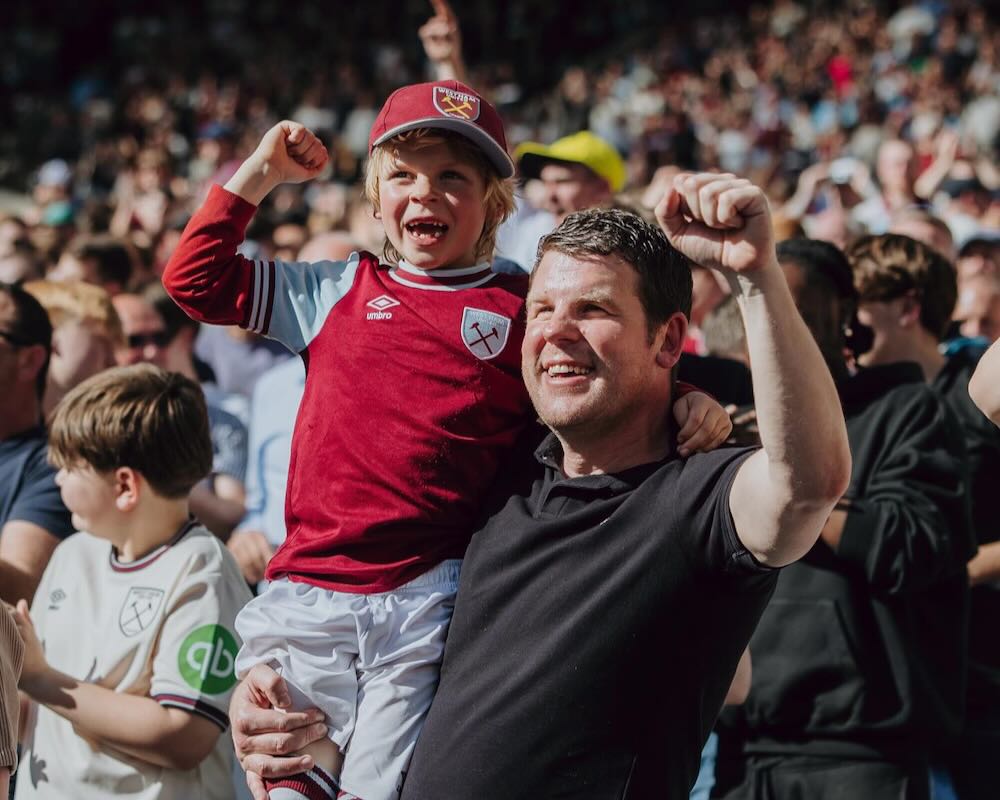
The period 1950s to 1970s was known as ‘the Golden Era’ as the club gained a reputation for stylish, technical football and youth development, earning it the title, ‘The Academy of Football.’ Legendary players included Bobby Moore, Geoff Hurst and Martin Peters, a trio who made footballing history in the 1966 World Cup final won by England at Wembley Stadium 4-2 against West Germany after extra time. Moore captained the team, Hurst scored a hat-trick and Peters scored the other goal.
West Ham have won many trophies including the prestigious FA Cup several times, the last being in 1980, while still a second-division side, defeating first division, Arsenal. A carefree working-class boy from west Belfast, I proudly attended this memorable game. Being a roguish university student at the time, I finagled my way into the stadium without a ticket that fateful Saturday morning, enjoyed a pre-game gourmet lunch with top sporting, political and social leaders before accidently entering ‘the Royal Box,’ where members of the English Royal family sat. Post-game, I hopped over the pitch wall, walked down the tunnel to the changing rooms and ended up holding an FA Cup medal.
Sometimes life bestows a big smile upon you.
Ten years ago, the club left their historic home Upton Park (Boleyn Ground) after 112 years and moved to the London Stadium in Stratford. West Ham’s most recent trophy triumph, occurred in the UEFA Europa Conference League Cup in 2023, the club’s first major trophy in 43 years. By this time I was in my late 60’s with a somewhat less roguish persona so was seated not in the comfy Royal box but an even more comfy sofa in my own Irish home, claret and blue scarf wound tightly around my neck. On that magical night when Jarrod Bowen scored the winning goal in the final minute, I was a deliriously happy man.
I’m less happy now as the team was relegated from the Premiership to the second tier, the Championship, the first time in 15 years.
GLASGOW CELTIC, SCOTLAND
Living in rural Donegal in northwest Ireland, I’m surrounded by football fans on match-day proudly wearing the ‘green and white hoops’ of Glasgow Celtic FC.
This might seem strange to some as this particular football team is located in Scotland, a different country, but such avid support reflects the historic bond between Donegal and Scotland, with many people from my area having to travel to Scotland seeking work over the generations.
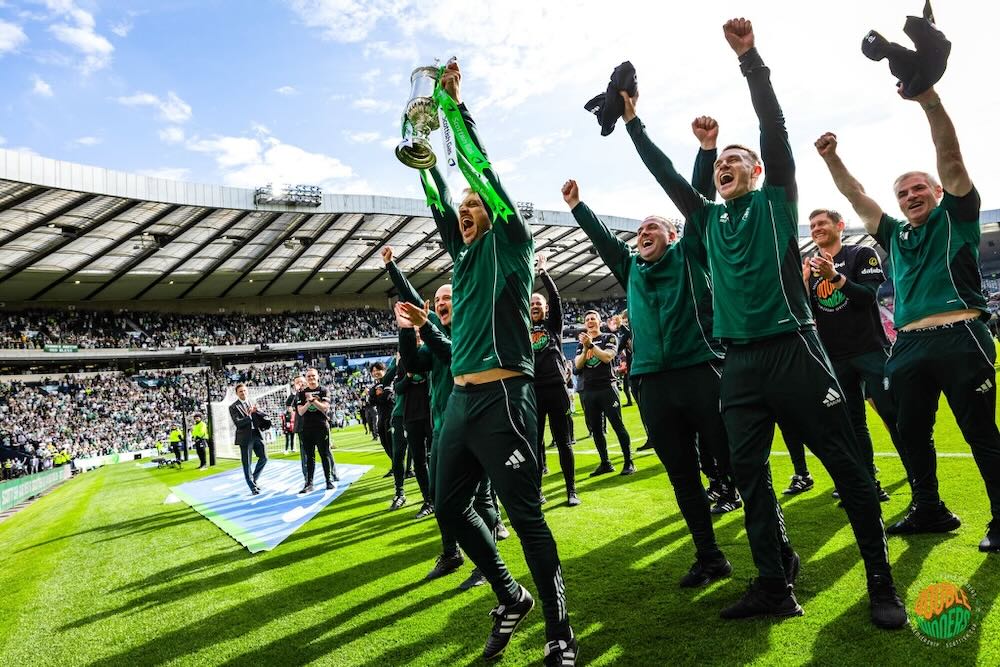
On the club’s invitation, I was hosted at Celtic Park, or Parkhead, the home stadium, to watch ‘The Bhoys’ in the company of my longtime friend and fellow journalist, Simon Pia. This was a brave decision by Simon as he is Edinburgh-born and a lifelong supporter of Hibernian Football Club, his local team and a rival to Celtic (Hibernian comes from Hibernia, the Latin word for Ireland).
Celtic Football Club was founded in 1887 by Brother Walfrid, a Marist Brother to raise funds to alleviate poverty among Irish immigrants in the east end of Glasgow. It played its first match in 1888 and quickly became a major force in Scottish football. Celtic was never just a football club — it is a social institution, characterised by a solid sense of Irish nationalism, anti-imperial sentiment and working-class solidarity.
To give a simple illustration of its success level over the years, Celtic made history in 1967 by winning the European Cup, defeating Inter Milan 2–1 in Lisbon, and that very same season it won four (4) other trophies, including the Scottish League, the Scottish Cup, the Scottish League Cup, and the Glasgow Cup. Dominating Scottish football, and winning domestic trophies almost every year since its birth, it also reached the UEFA Cup Final in 2003. A few weeks ago, it completed League and Cup double.
No wonder its motto is, ‘A Club Like No Other.’
Let the games begin.

