My visit to the medieval walled town of Aigues-Mortes in southern France, a place I’d never been to, was made all the more enjoyable due to a stroke of luck.
Researching a book on the medieval Knights Templar, a mysterious military group, I found this town in the Languedoc region was home to the Tour de Constance, a massive round tower in which some Templars were once imprisoned.
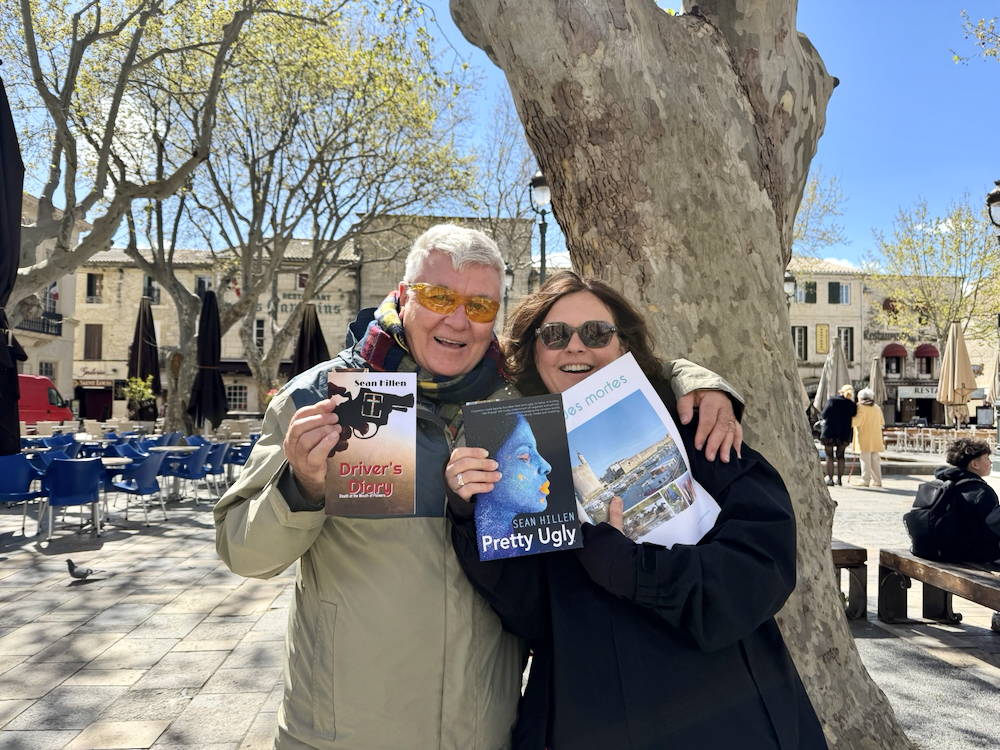
Contacting the tourism office, I was delighted to receive a rapid response within hours from an enthusiastic official called Béatrice Mercier offering me a warm, cheery welcome and her guidance in exploring the town.
Béatrice had spent several years working for the Irish tourism office in Dublin and my being Irish had raised her interest to arrange some experiences for my companion and I.
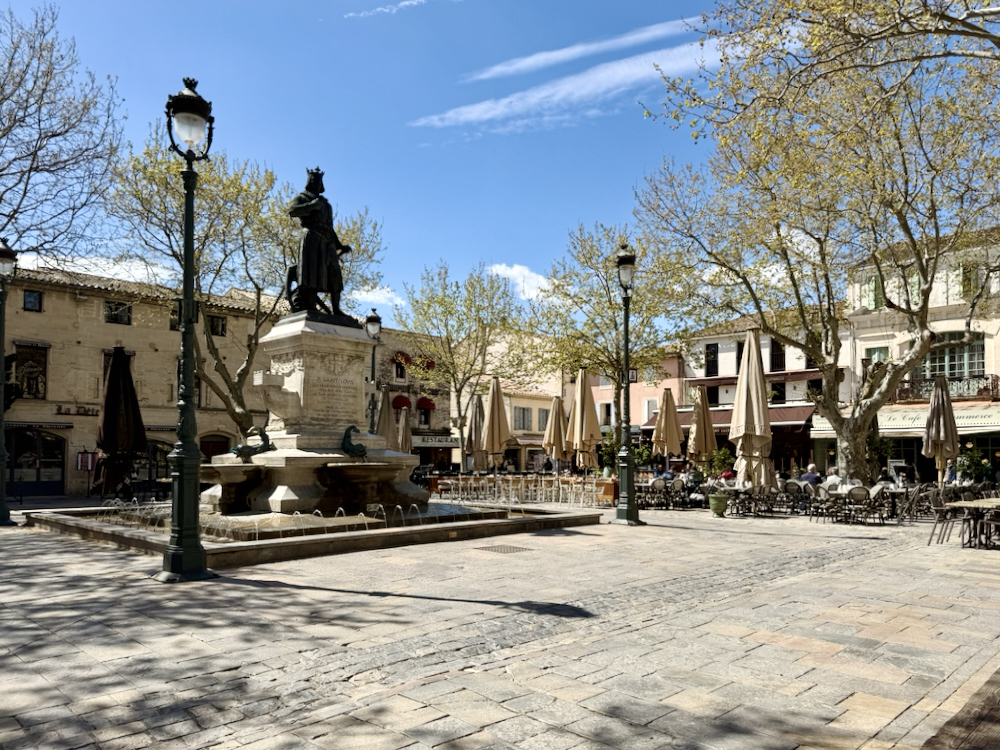
Aigues-Mortes (meaning ‘dead waters,’ a reference to the brackish lagoons around it) was built from scratch by King Louis IX in the 13th century as France’s only Mediterranean port at the time and from which he launched a number of Crusades. These sturdy fortifications are testimony to the power of royalty and the history of the Crusades. The central Place Saint-Louis even has a statue of the Crusader king.
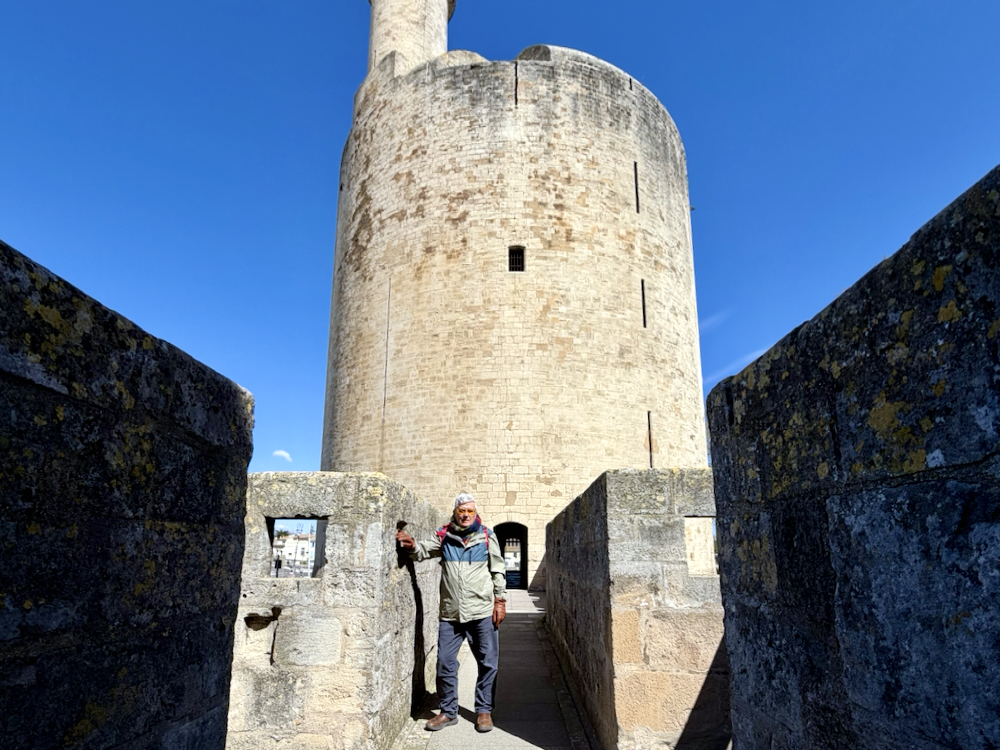
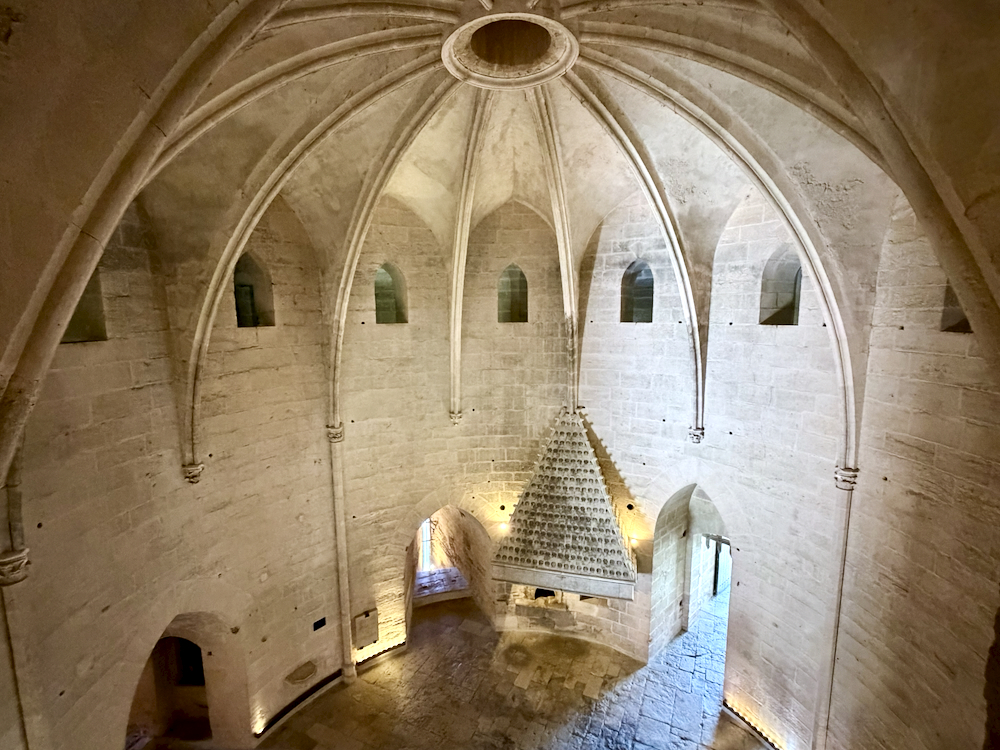
Our first stop was the tall stone Constance tower located just inside the town walls. It and the ramparts are star attractions here. The ramparts, all 1,600 metres of them, are almost entirely intact, rectangular, and easily walkable. You can make a full circuit along the top and look out over the extensive salt flats and wetlands just beyond the town. Aside from the Templars, the tower was also a prison for Protestant Huguenot women, sent there by the French Catholic Monarchy for simply practising their faith.
For more historical information, the Governor’s Lodge is worth a visit having been converted into an interpretation space, with four interactive rooms presenting key moments in the history of the city, including: the founding of the city; the port and maritime trade in the Mediterranean in the 13th century; urban development; and the architecture of the fortifications.
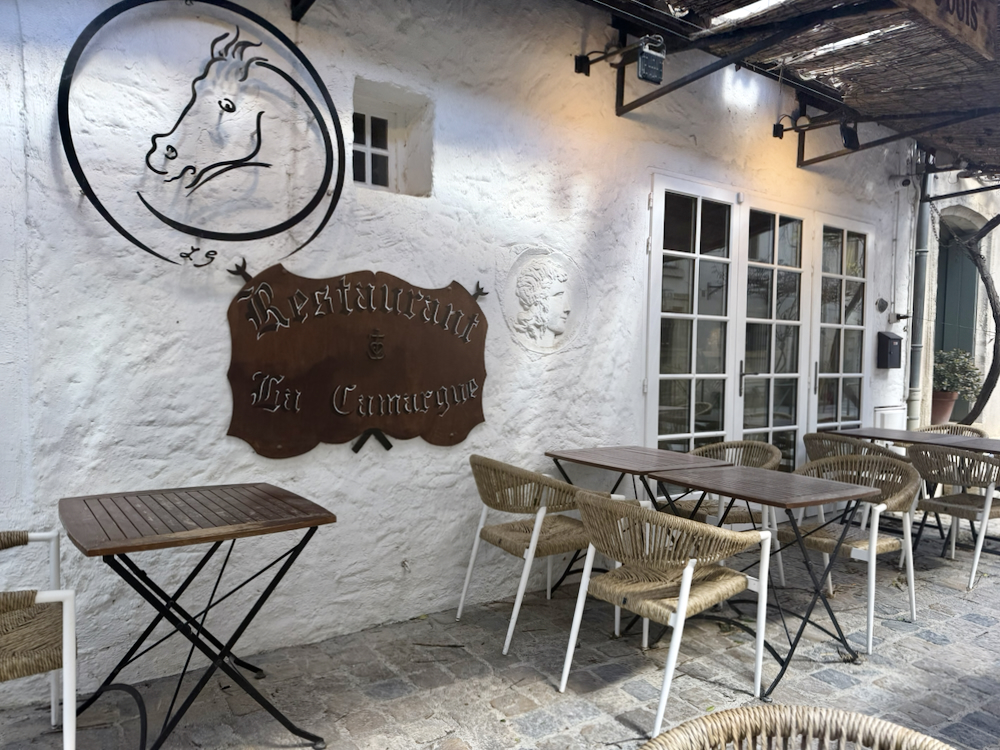
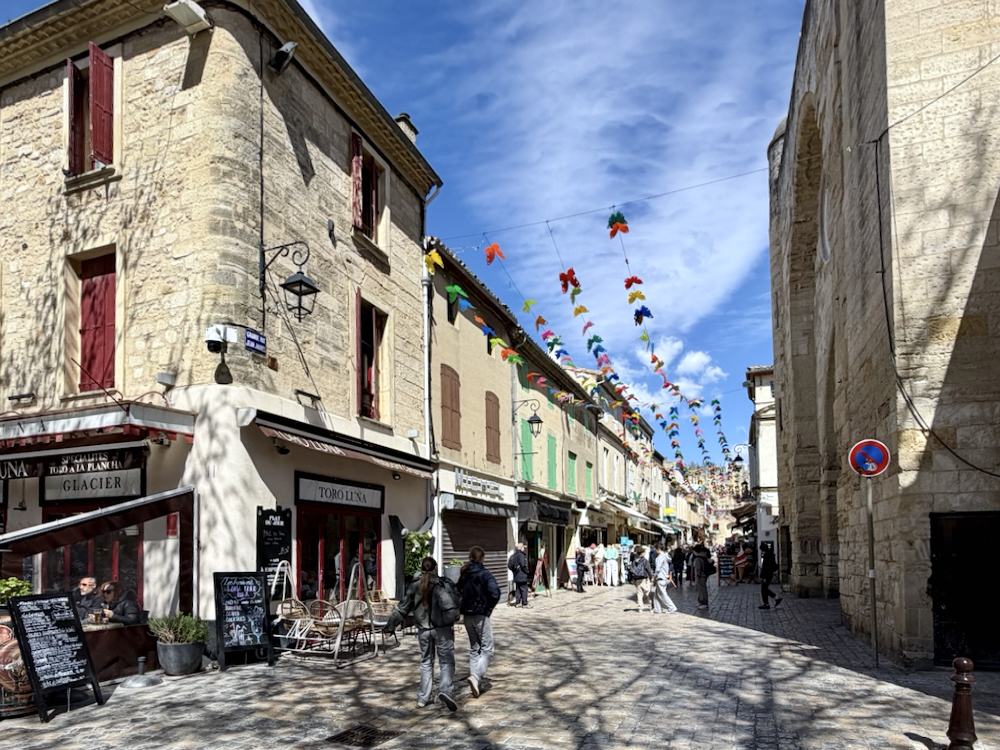
Clean, cobblestone-streets lined with cafes and restaurants reflect the continued popularity of Aigues-Mortes. One evening we dined at La Camargue restaurant, named after the nearby waterway. It offered a cosy Old World atmosphere with an ‘eclectic’ decor that included ceramic flamingos, religious icons, festival posters, gilded mirrors, even horse livery such as leather saddles and hanging reins.
The menu featured roasted camembert, clams, and mussels and pan con tomate, toasted rustic bread rubbed with raw garlic and ripe tomatoes, feature as starters, plus a mix of meat and fish dishes such as lamb chops, veal, côte de bœuf, grilled duck breast, turbot, dorada and loup (Atlantic wolffish) as mains.
A trip to Aigues-Mortes wouldn’t be complete without a cruise by barge on the Rhône à Sète canal through the Camargue, a mosaic of lagoons, marshes, rice paddies and salt flats. The area is also famous for horse and black bull breeding and we were able to disembark during the cruise with Croisiere de Camargue and have a closer look at some of the graceful animals at one of the farms.
The Camargue is a natural sanctuary with nearly 200 bird species, including 157 that are protected, and 208 plant species, some of which only grow in these fragile saline ecosystems.
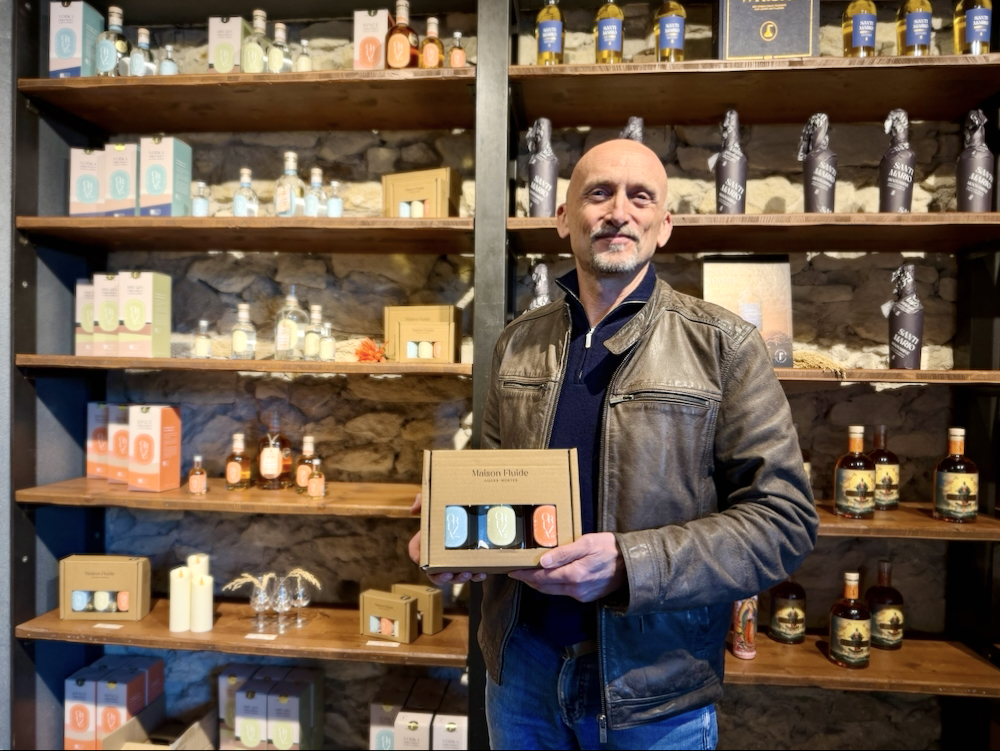
Mention must also be made of Maison Fluide, an innovative distillery founded by entrepreneurial brothers, Frederi and Pascal Sauvaire located close to the main entrance to the town. Setting them apart from other distilleries is their use of Camargue rice to make a variety of organic spirits, which they call oruza. We stopped in for a drink and a chat with the owners and were very impressed with the wide range of choice including gin, whisky, vodka and rum.
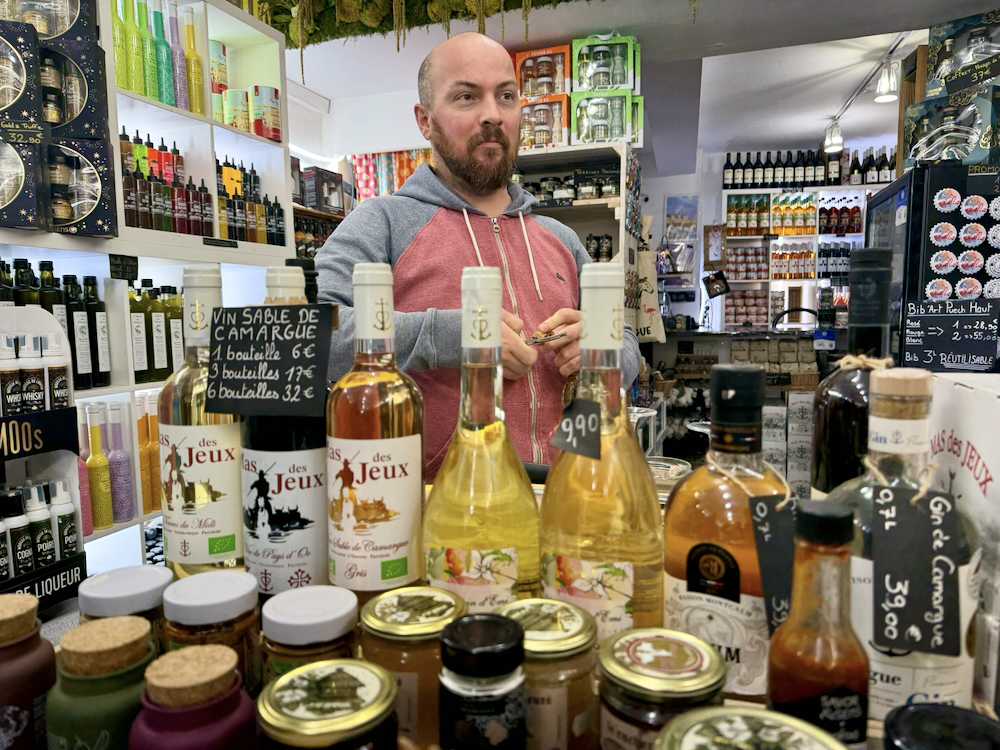
Béatrice seems to know everyone in Aigues-Mortes as she led us through its streets, stepping into old churches and introducing us to local delicacies such as ‘vin sable de Camargue’ (a wine made in the area from grapes growing on grapevines planted in the sands) and ‘saucisse de taureau’ (made from the meat of the black bull).
Aigues-Mortes is a charming French town with its own unique character and a colorful checkered history, one well worth a visit to absorb its many facets and be beguiled by its many intriguing stories.

