Hard to find a more intriguing setting for a restaurant than an underground room steeped in a thousand years of history.
That’s what you get when you enter the basement of the Caro Hotel in Valencia’s Old Town where Xanglot restaurant is located.
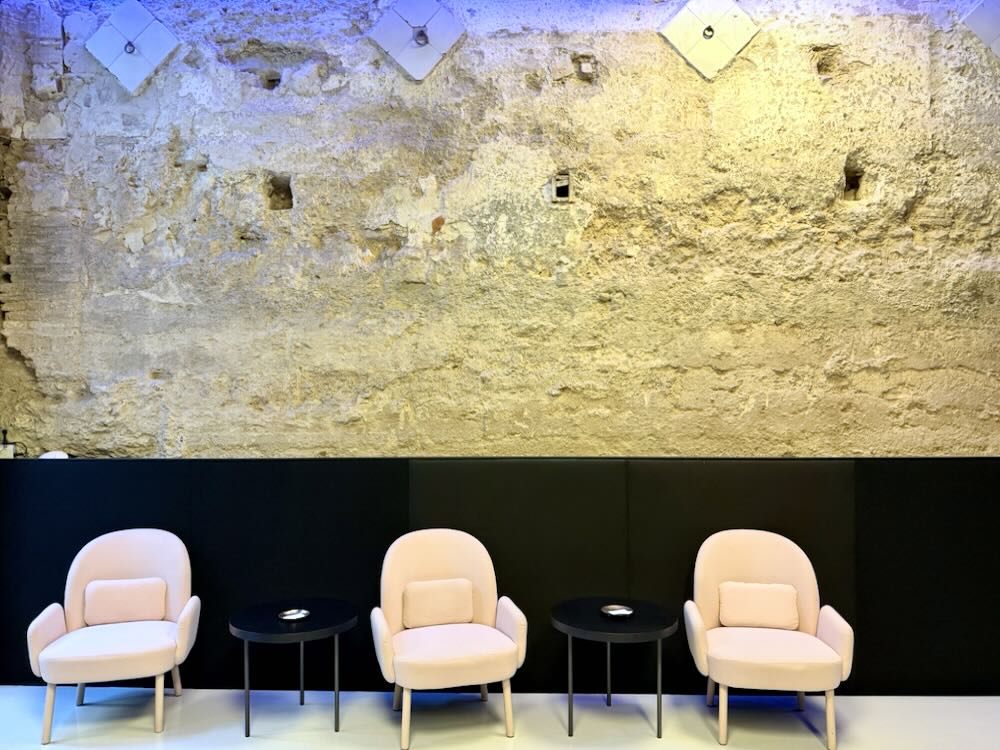
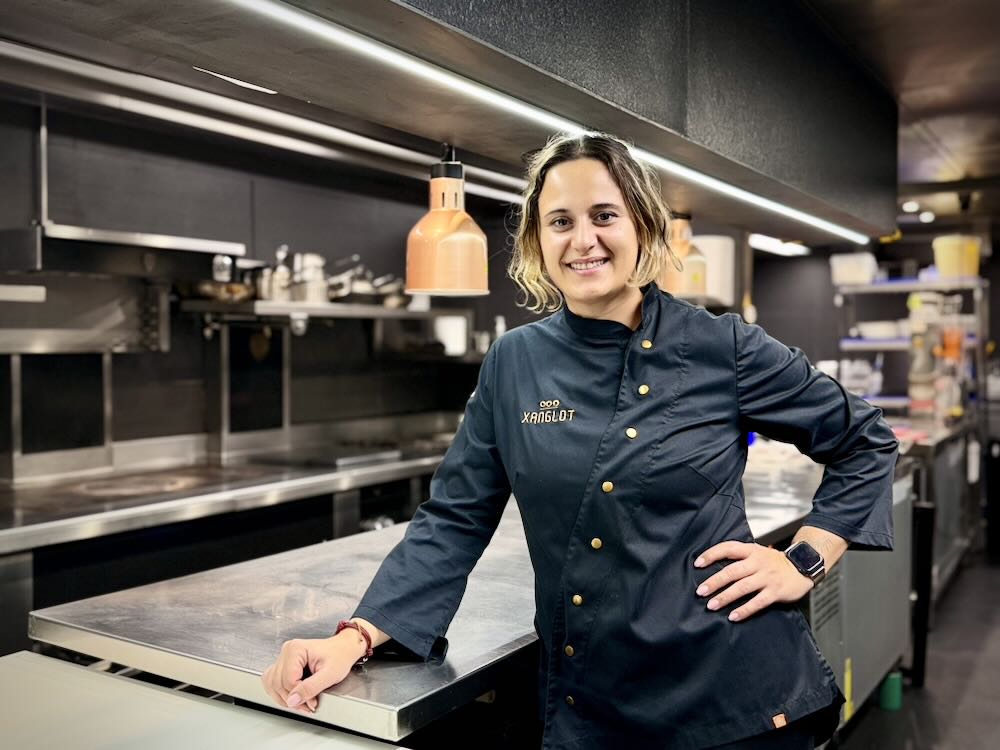
The building stands on what once was a Roman Forum, where charioteers were housed, and its basement with its Gothic stone archway, subdued lighting, well-spaced tables, charcoal grey walls and ceiling and 800-year-old Islamic wall is home to culinary brilliance delivered by the talented Sandra Jorge.
A native of the Valencia region, Sandra has created an array of excellent dishes for her special ‘Brot’ tasting menu, brot meaning a plant sprouting or budding. The menu awaits all guests on their table inside a speckled embossed brown and silver envelope.
On a recent stay at this chic boutique hotel, my companion and I indulged in a dining evening at Xanglot that left our taste-buds tingling.
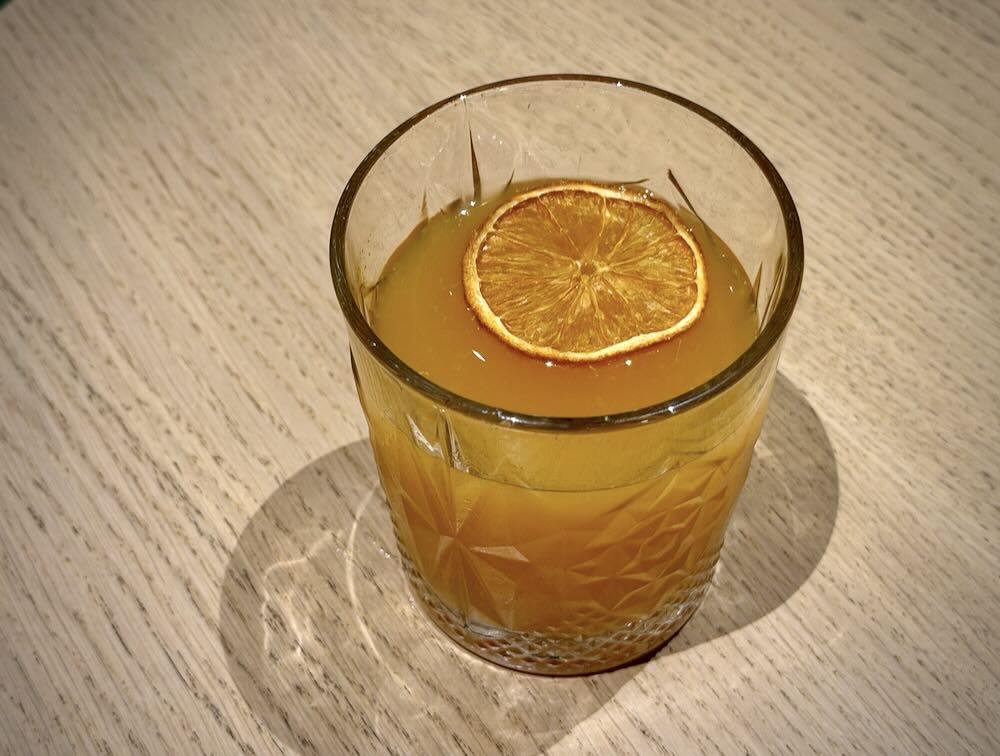
Kicking off the evening for my companion was Sandra’s special cocktail, a family recipe blend of Cointreau, tequila, grapefruit, vanilla cream, jalapeño and tahini sprinkled on a slice of grapefruit, served in a black ceramic jar resting on a glistening white dish with an upturned collar and a dollop of vanilla on the rim. We were also curious to sample Aqua Valenica, the city’s traditional drink, a blend of fresh orange juice, of course (it is Valencia, after all), gin, vodka and cava.

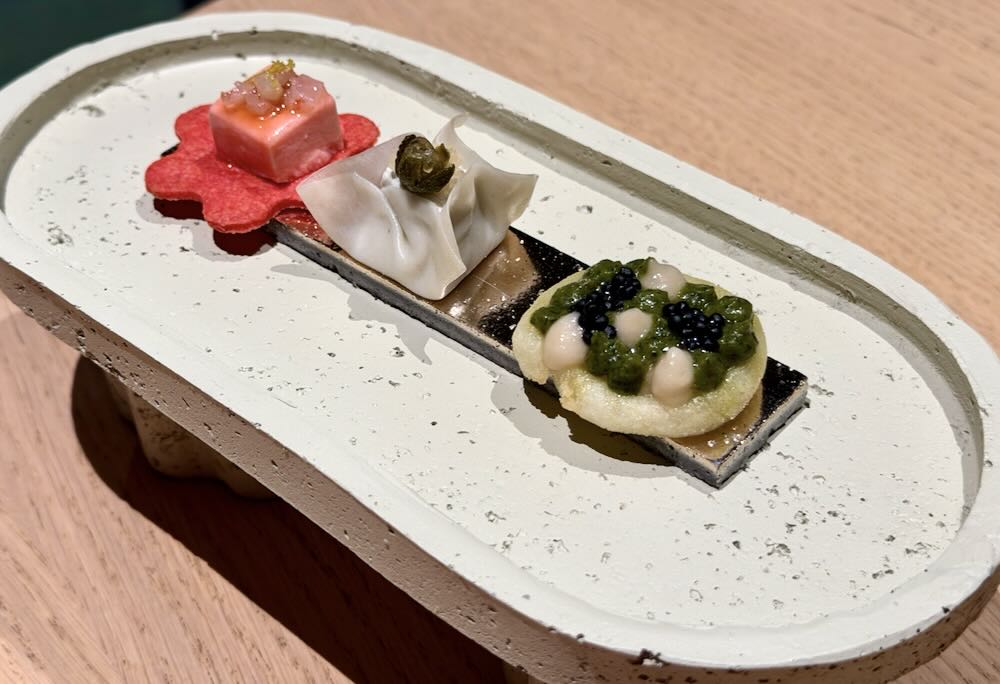
Then began a wondrous trio of delicious, dare I say it, esoteric, amuse-bouches presented on a speckled oblong ceramic dish resting on ornamental doric mini-pillars, including smoked mackerel pearls on a churro base with mint and pistachio pesto and pear cream, Sandra’s version of siu mai, a traditional Chinese dumpling with cream cheese and anchovy filling, all topped with a fried caper and mini-diamonds of green apple, plus flower-shaped sweet citrus shortbread topped with a shrimp and lemon custard square.
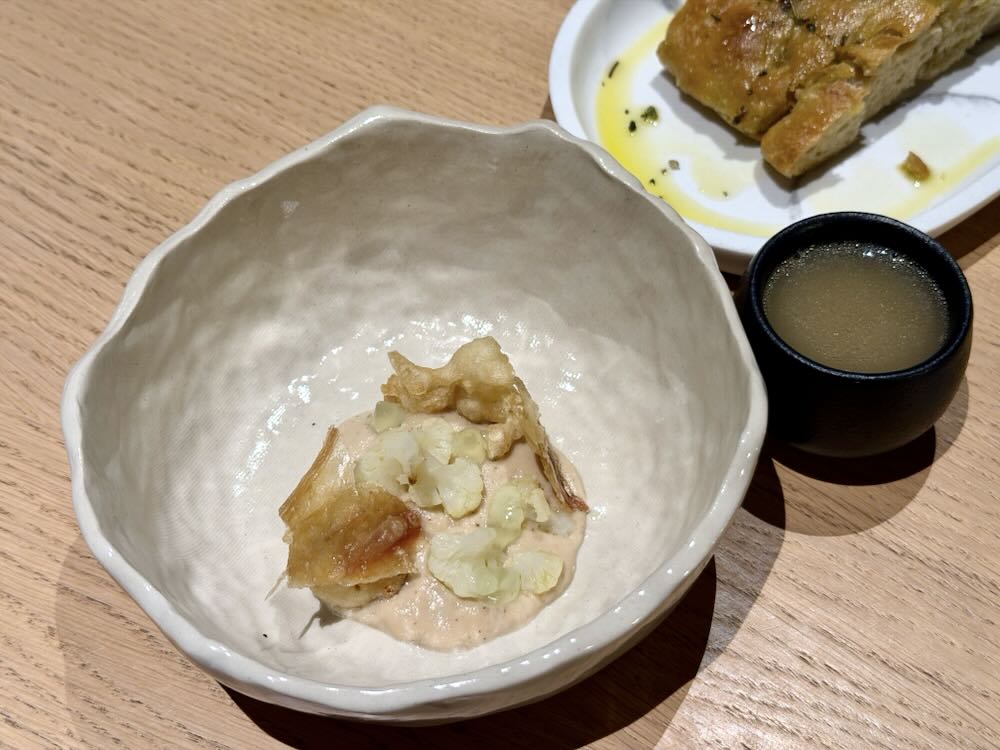
Then came a bowl, its shape reminiscent of rustic countryside. Instead of liquid inside, there was a composition of textures: smooth cauliflower cream, crunchy popcorn tempura, crispy chicken skin and soft steamed cauliflower, with droplets of pickled piparra pepper gelee, accompanied by a small cup of free-range chicken juice.
My companion, a medical herbalist with enhanced sensory capabilities, said Sandra’s unorthodox matchmaking of savory and sweet elements surprised her palette, leaving her wanting more of the craftily designed taste teasers.
Alongside our dishes, for jus-soaking purposes, were slices of a traditional Spanish bread akin to focaccia with piperella, more commonly known as valencian thyme, on top.
Leaving no doubts about her culinary passion, Sandra then served up in a dove-grey bowl an orzo pasta in a stew of onion and squid ink, mistella, a moscatelle sweet wine from the region, decorated with swirls of eggplant and chipotle cooked bagna cauda, an Italian style of cooking using anchovies and garlic.
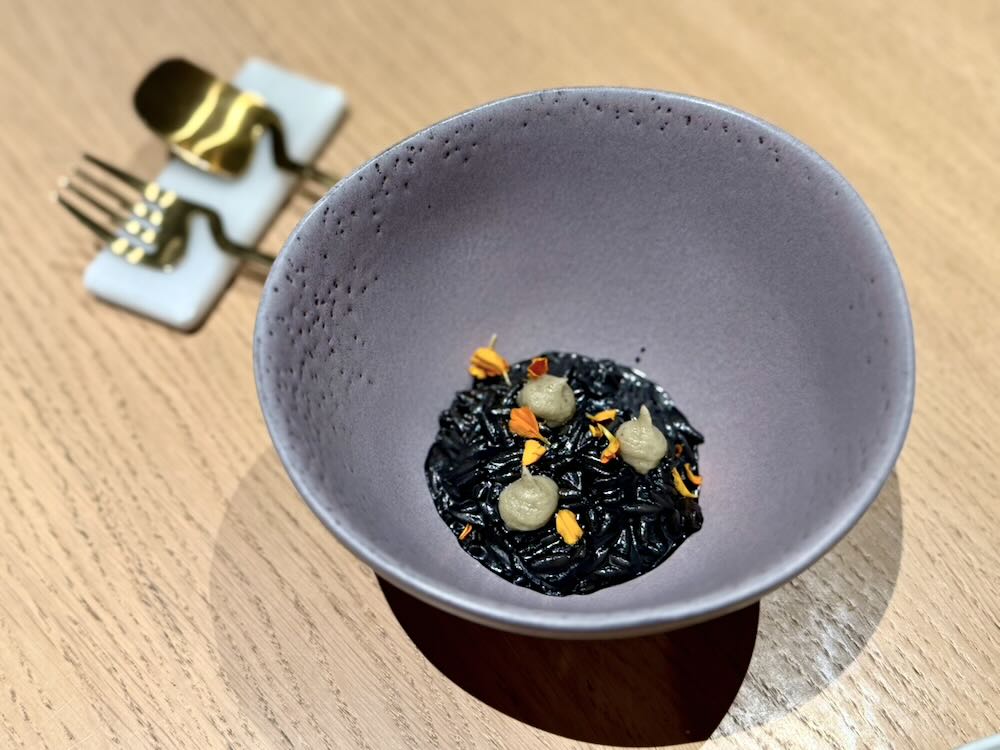
My companion, in whom I have the utmost faith when it comes to things culinary, said the mounds of smoked aubergine and the petals of tagetes on top, “pull us from deep waters on to dry land.”
By now, feeling as if we were being sated in an ancient Temple of Taste, our convivial waiter Enrique Cuquerella Garcia, Sandra’s partner, presented us with our next a dish, cubes of tender beef tongue smoked on a Japanese barbecue soaking in a umami reduction and nestling beside pickled green beans, dollops of yoghurt and assorted chunks of almond biscuit (a recipe from Sandra’s mother) made with cremaet, a Valencian coffee blend of sugar, lemon, rum and cinnamon.

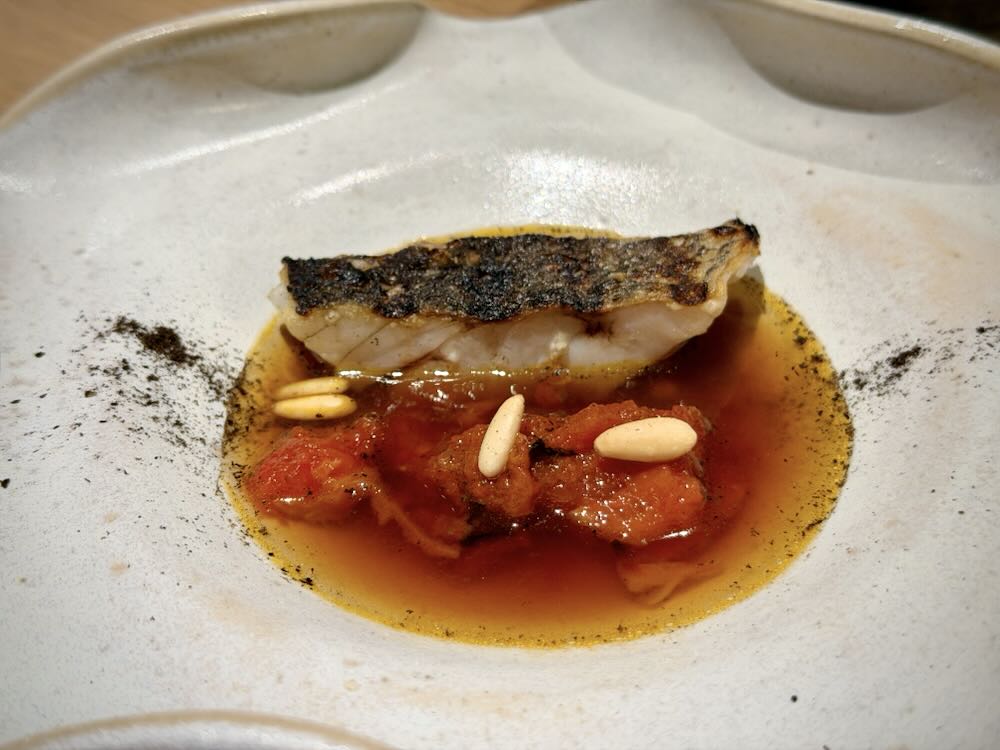
The Japanese barbecue came into use again later, this time for the first of our main dishes, the catch of the day, filet of corvina, with tomato salad, pine nuts and onion consommé, the sweetness of the jus complementing the smokiness of the grilled fish.
Our second main course was lasagna with goats cheese and brandade de bacalao, an emulsion of salted cod, olive oil and potatoes. The dish was completed with ripples of salmorreta sauce from tomatoes and sun-dried ñora peppers. All was sprinkled with crumbs of black olive.
As for desserts, they came in two delectable waves. The first was a highly-imaginative blend of corn mousse, white chocolate, miso, feta cheese jam and elderflower.
Our most enjoyable three-hour dream-like dining experience ended with the arrival of a narrow boat-shaped dish with tiny brass spoons like oars either side. Aboard, from bow to stern, was a row of tantalising white and dark chocolate bonbons, plump with the most creative of fillings including Spanish blue cheese, beetroot and carob.

The immense discipline I had displayed in asking minutes before for only one main dessert for my companion deserted me utterly.
You can guess the rest.
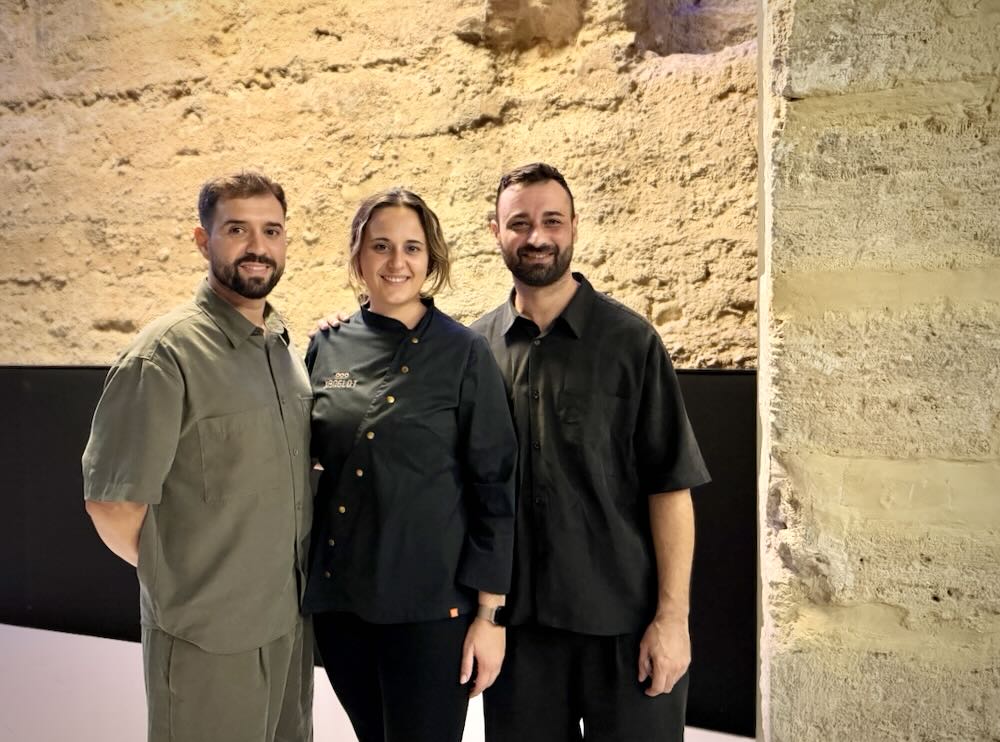
Throughout the entire evening, sommelier Daniel Perelló kept us well-informed about the wines he selected for each course, which ran the gamut from Vinya Alforí Parcela Umbría, an organic red from Valencia made from monastrell and tempranillo, Pasamonte Vino de Pago, a blend of garnacha tintorera, syrah and tempranillo, with an intense garnet color and strong aromas of dark and red fruit, and Albet i Noya Entorns from Catalonia, with aromas of fresh herbs and flowers.
Requiring a short walk in the warm evening air of Old Town for digestion purposes, my companion and I both agreed: it won’t be long before Sandra and the Xanglot team enter the Michelin world of culinary art. And a well-deserved accolade it will be too.

