by Sean Hillen
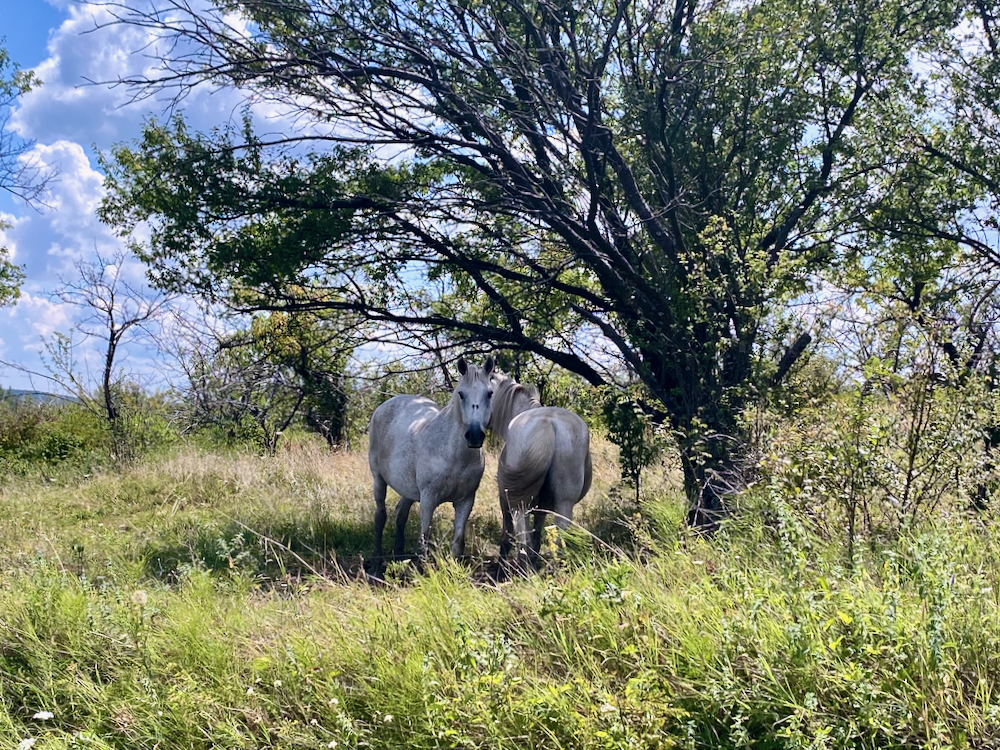
One of the joys of travelling through Romania is driving off its main roads and on to winding rural byways to absorb the beauty of its vibrant natural landscapes of mountain, lake and sea.
And the best way to do this is in a powerful, driver-friendly vehicle that can deal easily with its often challenging terrain. After all, while Romanian people are friendly and always ready to help, you don’t want the frustration of being stuck on an isolated road for hours on end, especially in the sweltering heat of summer.
That’s why I was lucky to have a hybrid car at my disposable from Enteprise Romania.
Reliable, fuel-efficient and master of steep, rugged terrain, I meandered leisurely from the capital city of Bucharest 200 kilometers west through the undulating wine country around the town of Drăgășani and all the way to the market town of Novaci, entry point to the spectacular Transalpina rising over 2,000 meters in the southern Carpathian Mountains, a stunning destination for road trip enthusiasts.
Here are some of the places I visited and people I met on my two-week overland journey.
Mugur Isarescu – National Bank Governor and Wine-Maker Par Excellence

First stop was to see an old acquaintance, Mugur Isărescu , the world’s longest-serving national bank governor and former Romanian Prime Minister. Mugur and I got to know each other when I was foreign correspondent of The Times newspaper in London and founder and CEO of Romania’s leading English-language national business newspaper. A mutual interest in wine-making drew us even closer, especially after Mugur resurrected his ancestor’s hill-top vineyard to produce high-quality red, rose and white vintages.
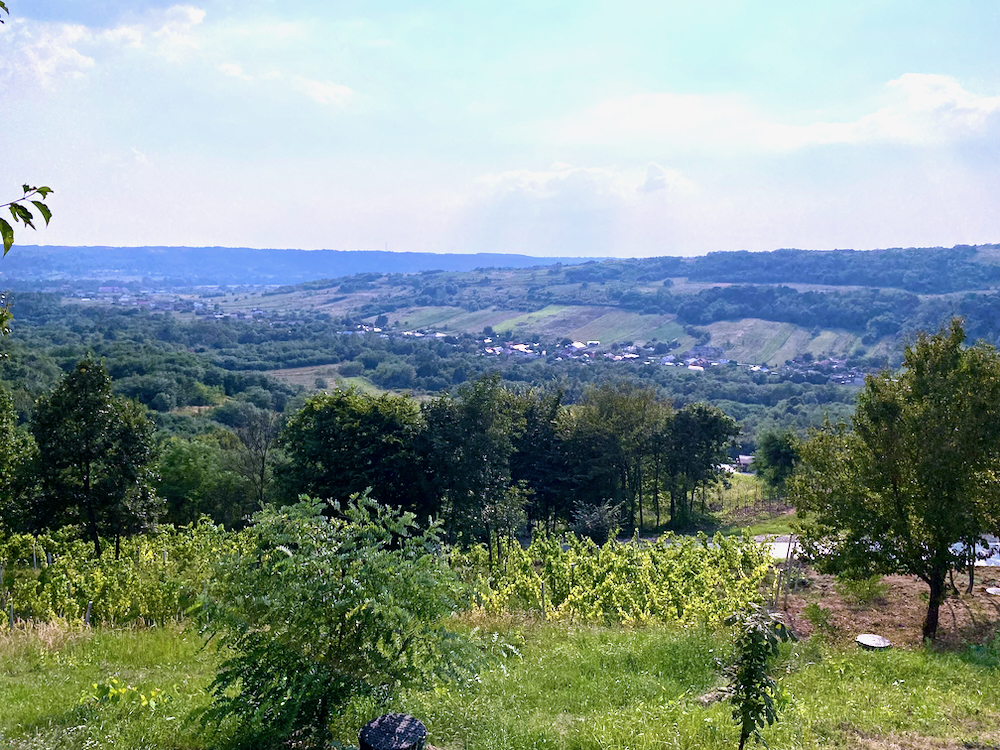
An economically astute banker with vast international experience, Mugur also has a well-developed sense of humor making him an enjoyable and intriguing conversationalist. Born in Drăgășani, Vâlcea County, he’s also a person immensely proud of Romanian arts and culture.
Constantin Brâncuși – artist extraordinaire
Another leader equally well-known but in a much earlier era of Romanian history is artist, Constantin Brâncuși, whose elaborate works of marble have become famous worldwide, with a permanent exhibition in the Centre Pompidou in Paris, a city he moved to in later life.
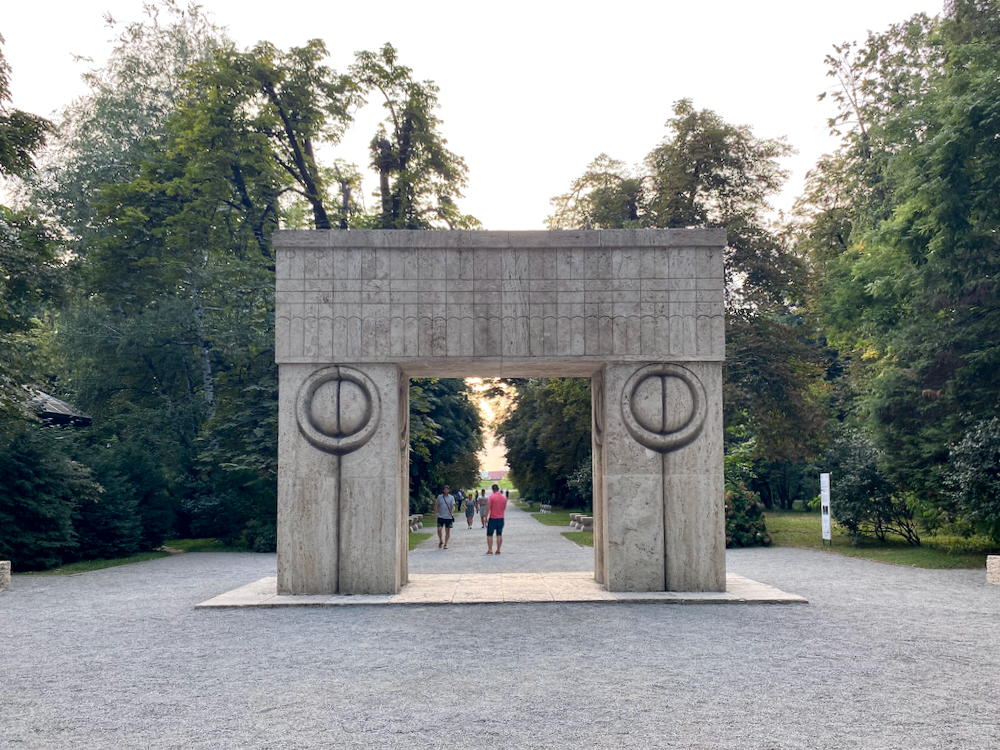
Keen to see his work in his home region of Wallachia where he was born and grew up, I drove to a public park in the city of Targu Jiu where several of his artistic creations stand for all to see and admire from all angles. These include ‘The Endless Column,’ a 30-meter column of zinc, brass-clad, cast-iron elements threaded onto a steel spine. It is part of a three-sculpture ensemble along with two travertine monuments called ‘The Kissing Gate,’ designed like a triumphal arch, and ‘Table of Silence,’ symbolising time, represented by the circular arrangement of twelve hourglass chairs, the artist’s homage to the Romanian heroes of the First World War.
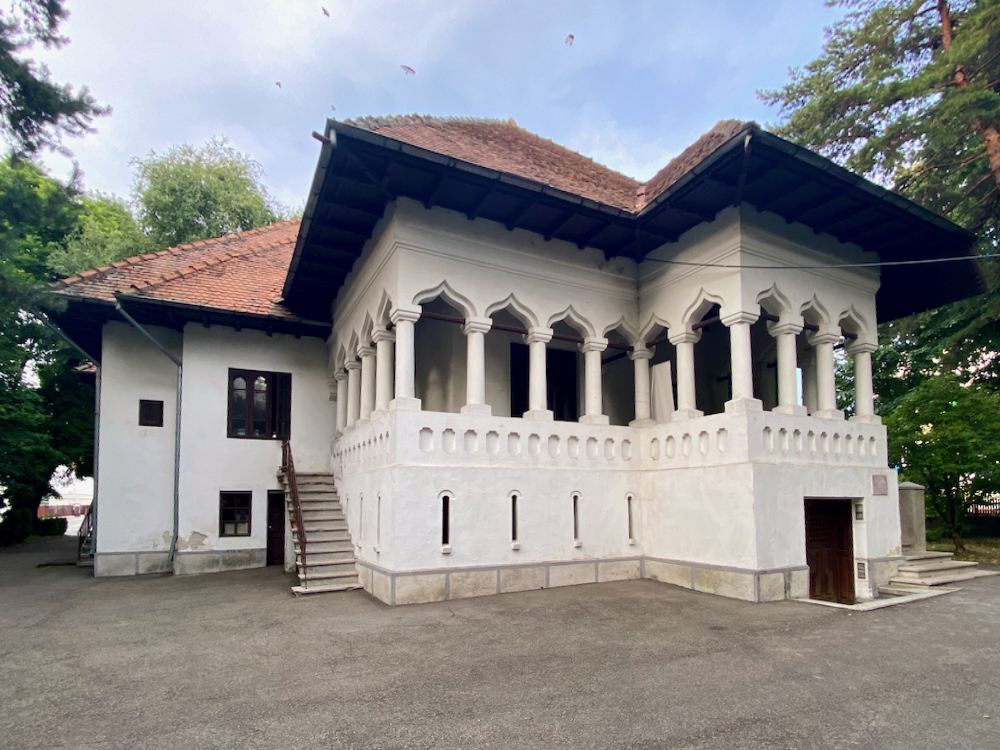
A short walk from the public park is a museum honoring the sculptor. Housed in an 18th century neo-Romanian style building, the Constantin Brancusi Museum houses small collection of drawings and photographs illustrating his life in Gorj, his native county before he left for France and the time he spent producing the works in the park. Known as ‘Casa Gănescu,’ Brancusi stayed here in the period 1937-1938 while working on the three artworks he donated to the city.
Romanian History and Culture
For glimpses into the colorful history of Romania, it is well worth visiting the Gorj County Museum in the center of in Targu Jiu. Built in 1894, it was the headquarters of the Prefecture before becoming a court. Restored fifty years ago, the Gorj County Museum was opened to house a wide range of artefacts including rare collections from Dacian and Roman and medieval eras, an impressive display of old coins and historical documents and books dating from the 15th century.
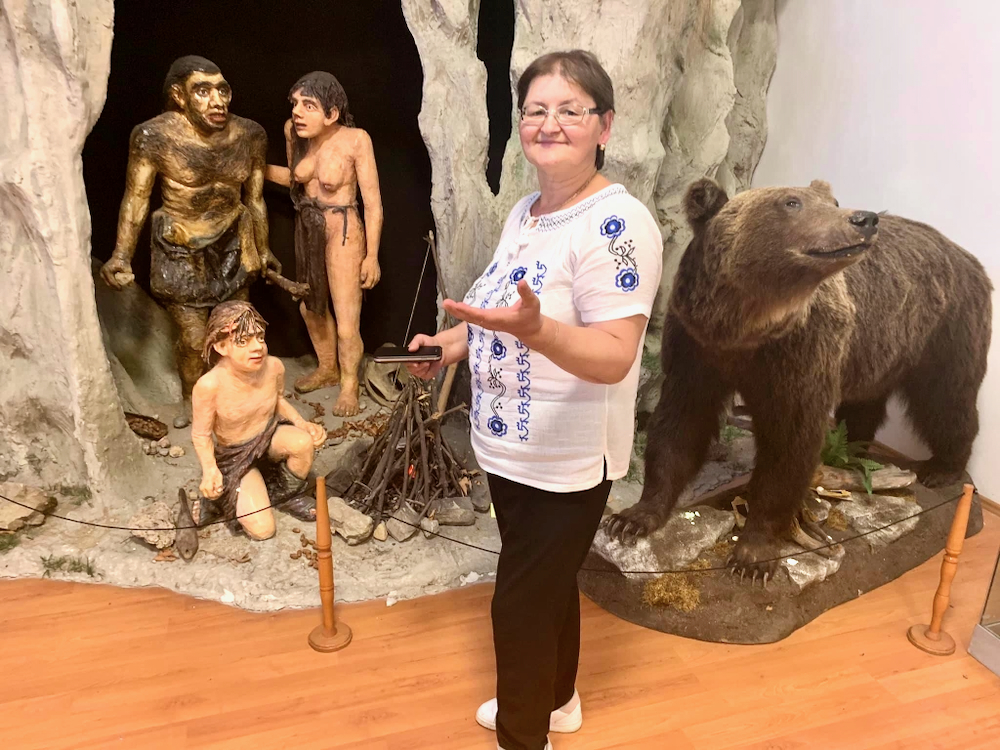
Further insights into past Romanian village life are provided in a scenic rural setting on thirteen hectares of land just north of Targu Jiu.
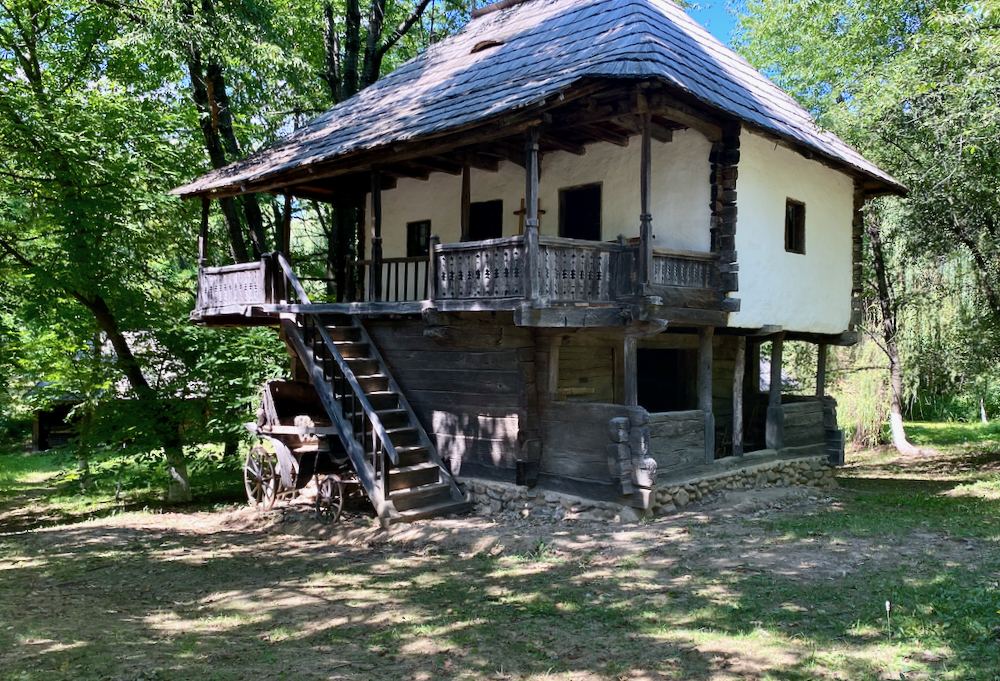
Once the estate of the Cornoiu family, here stands a series of traditional houses, specific to different parts of the region. One highlight is the Tatarescu house once the home of leading politician, Gheorghe Tatarescu, twice former prime minister of Romania in the 1930s who died soon after imprisonment by the Communists. Through period furniture, photographs and other personal items visitors learn not only about Tatarescu’s life but also the impressive work of his wife, Arethia, president of the National League of Women. She supported the creation of the Constantin Brâncuși Sculptural Ensemble in Târgu Jiu and helped restore two other museums.
 world itineraries